Montessori learning nurtures each child’s natural curiosity through hands-on exploration, freedom within structure, and a carefully prepared environment. With guidance from teachers and support from peers in mixed-age classrooms, children build independence, confidence, and a lifelong love of learning.
This philosophy is distilled in the following key principals.
1. Respect for the Child
Children are seen as capable, independent beings. Adults respect their choices, pace of learning, and individuality, rather than imposing a one-size-fits-all approach.
2. Prepared Environment
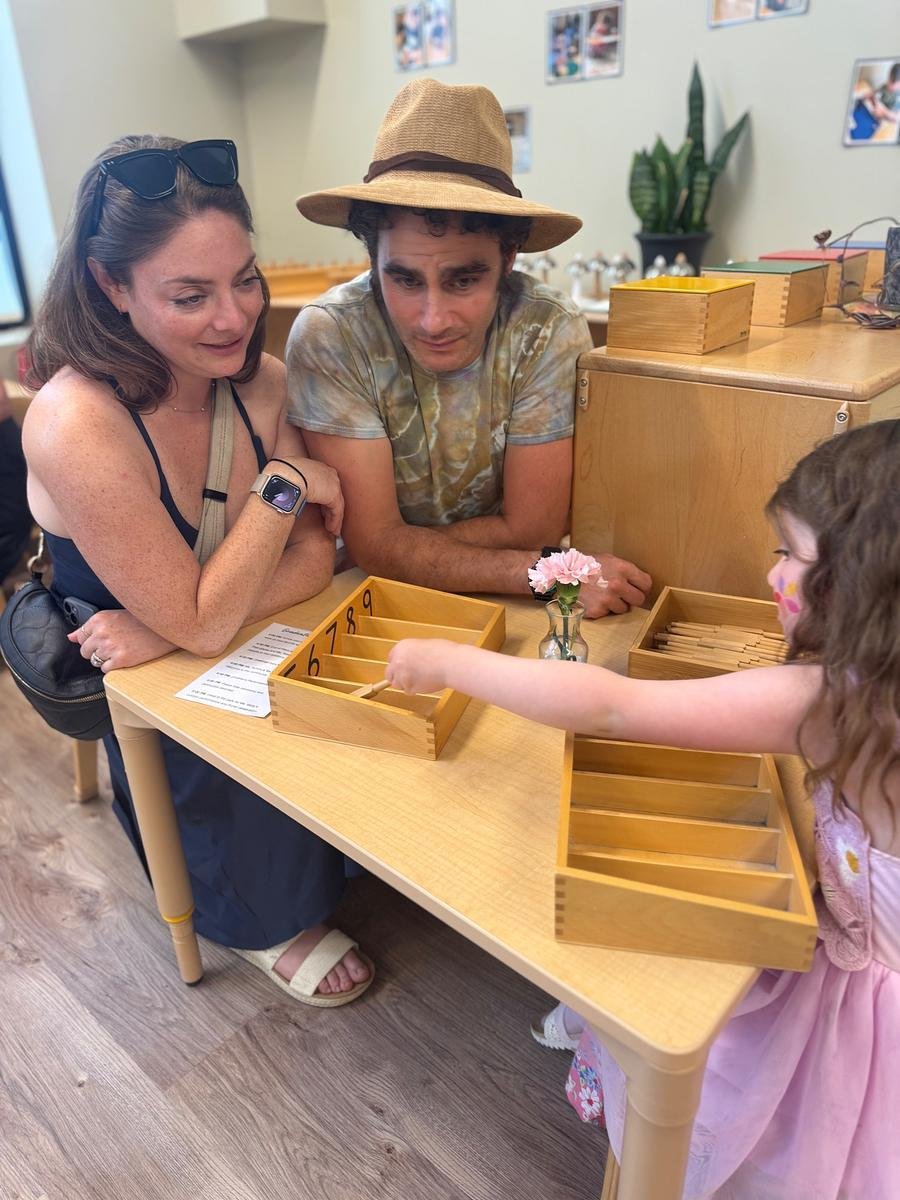
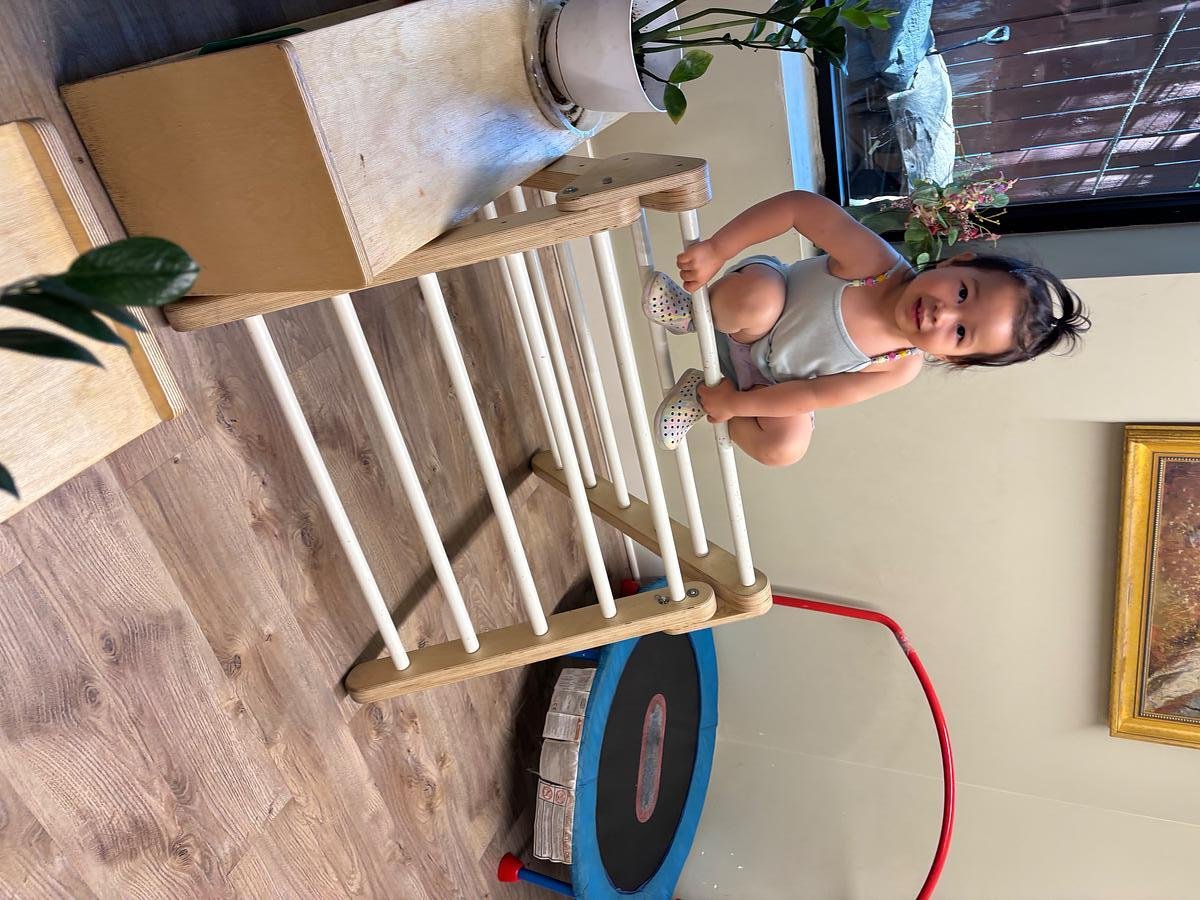
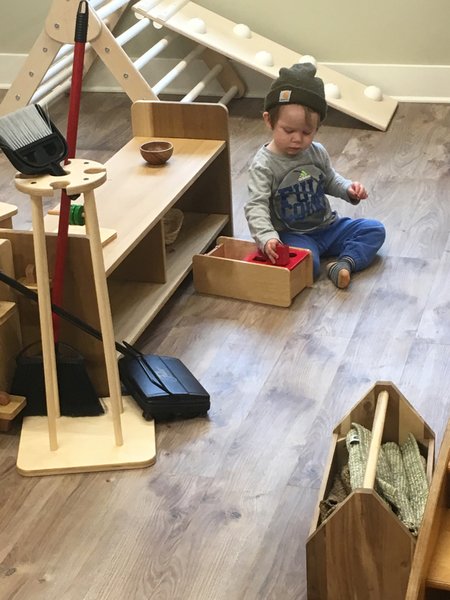
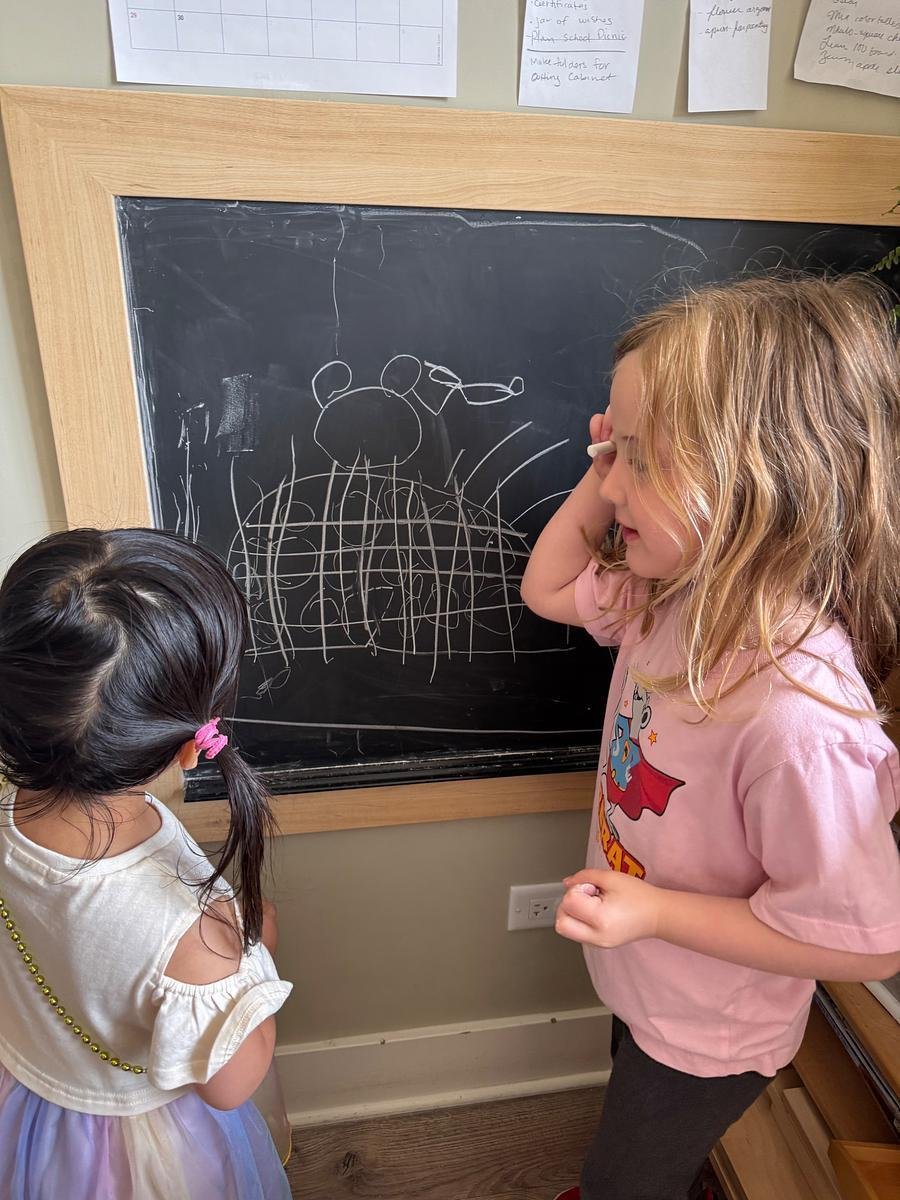
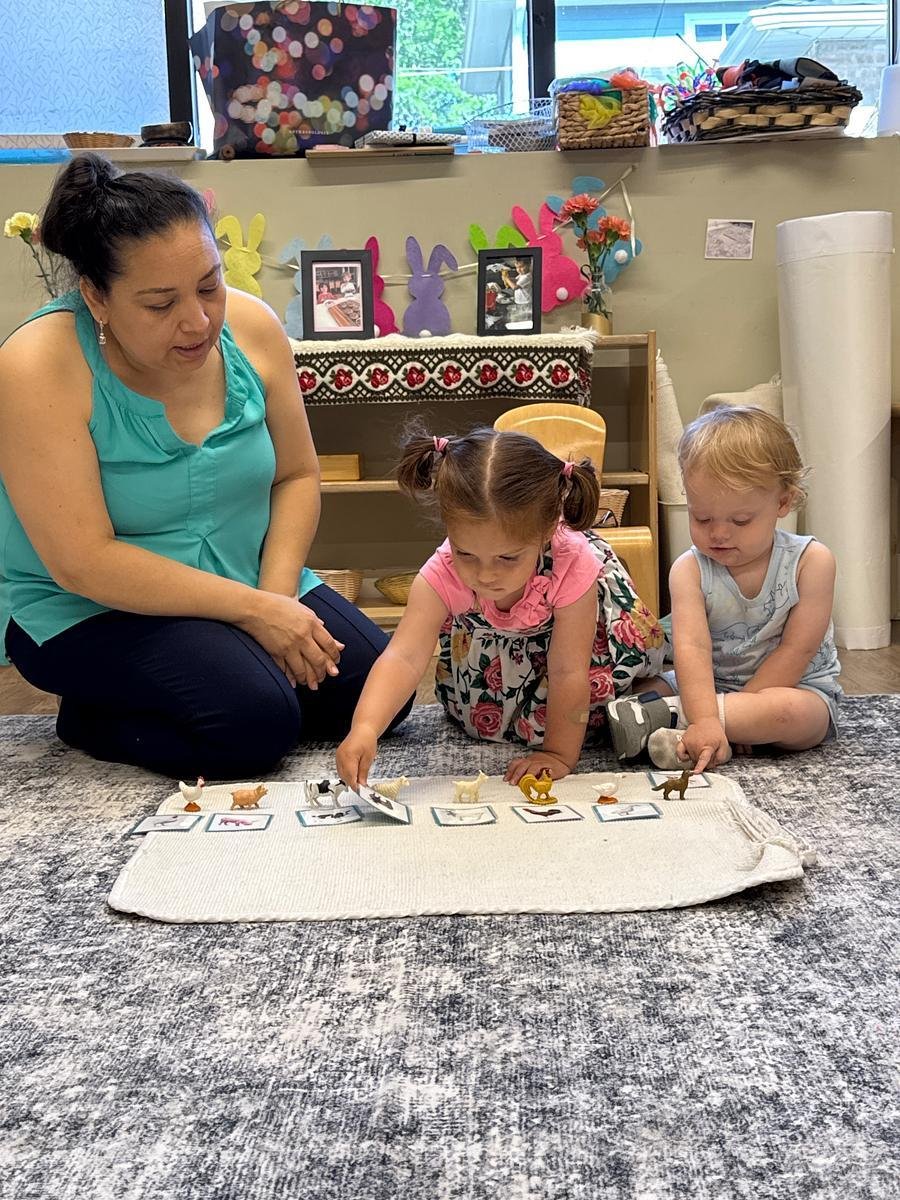
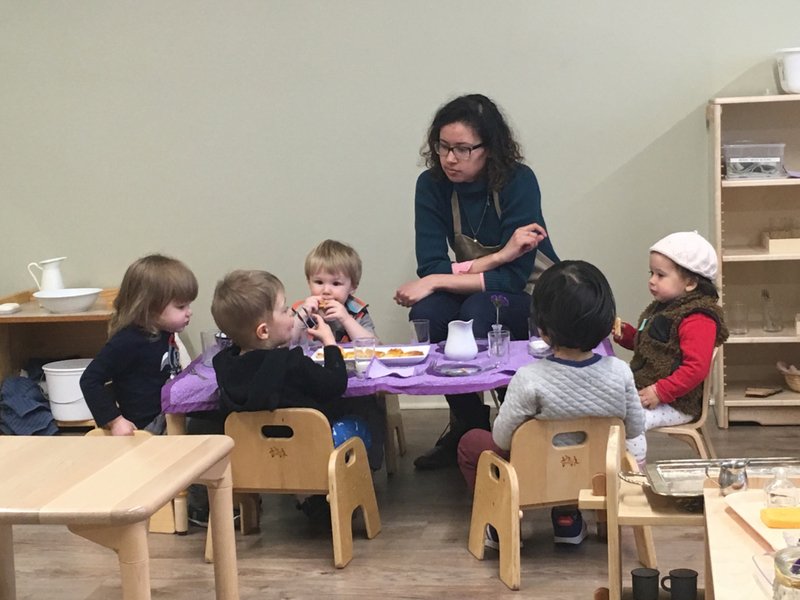
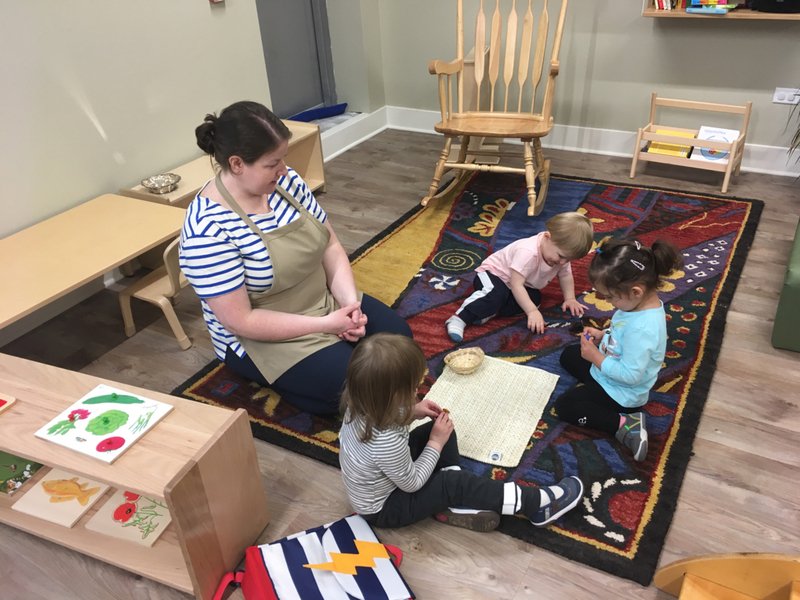
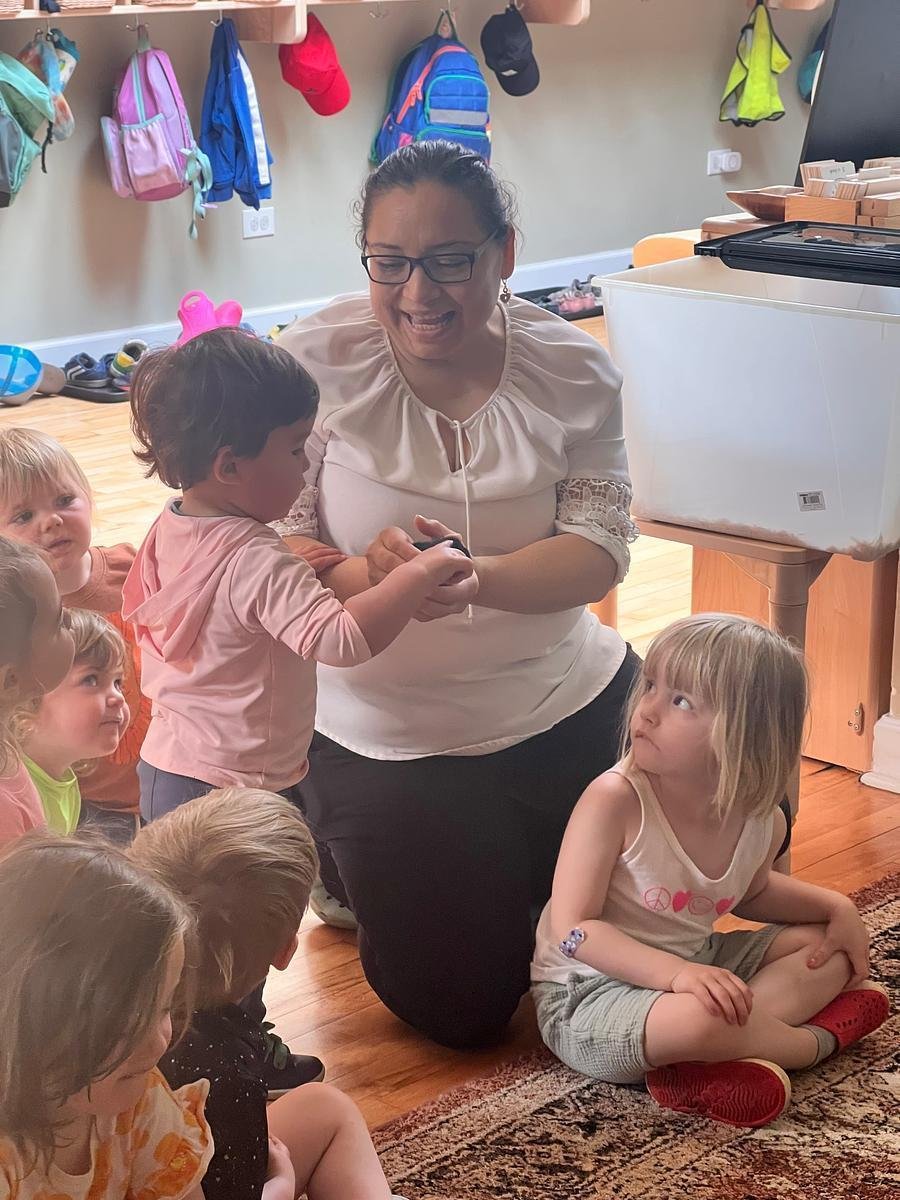
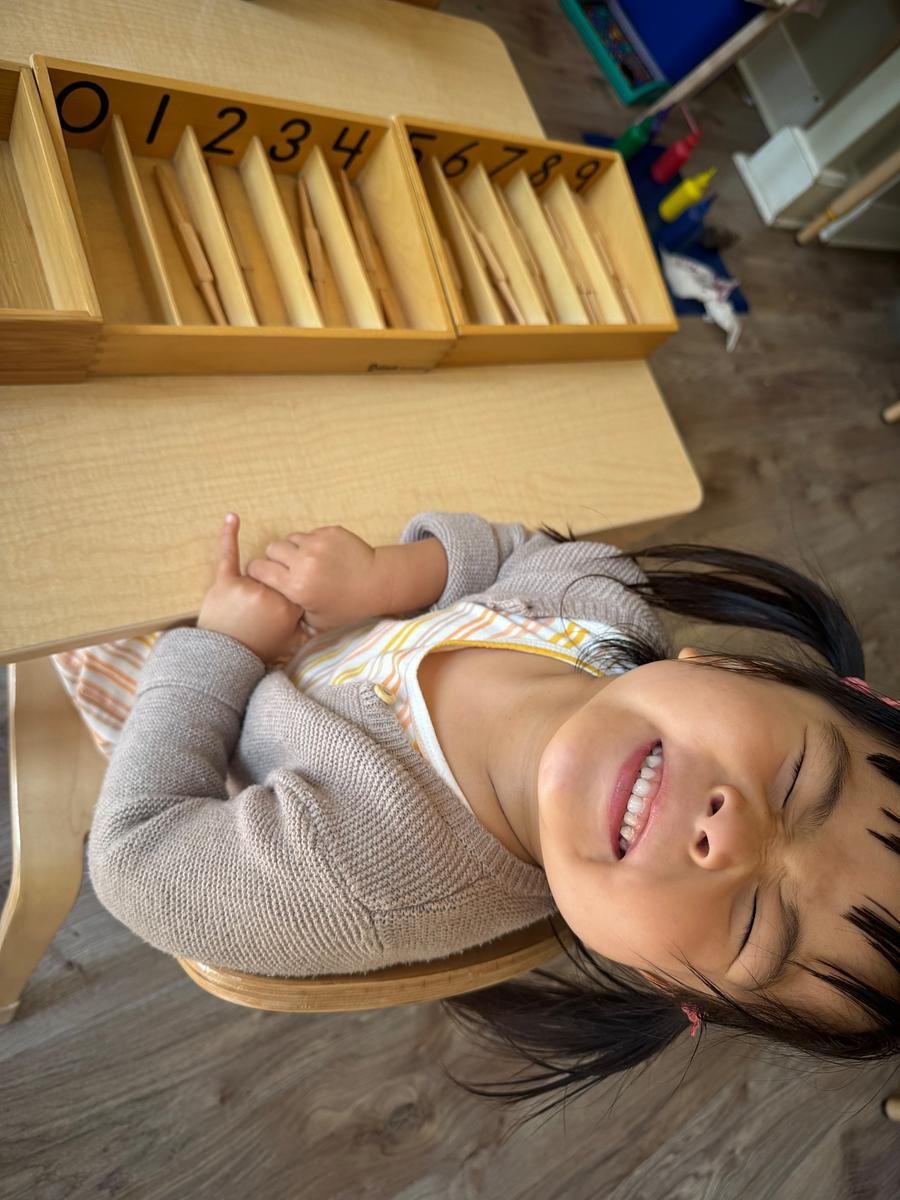
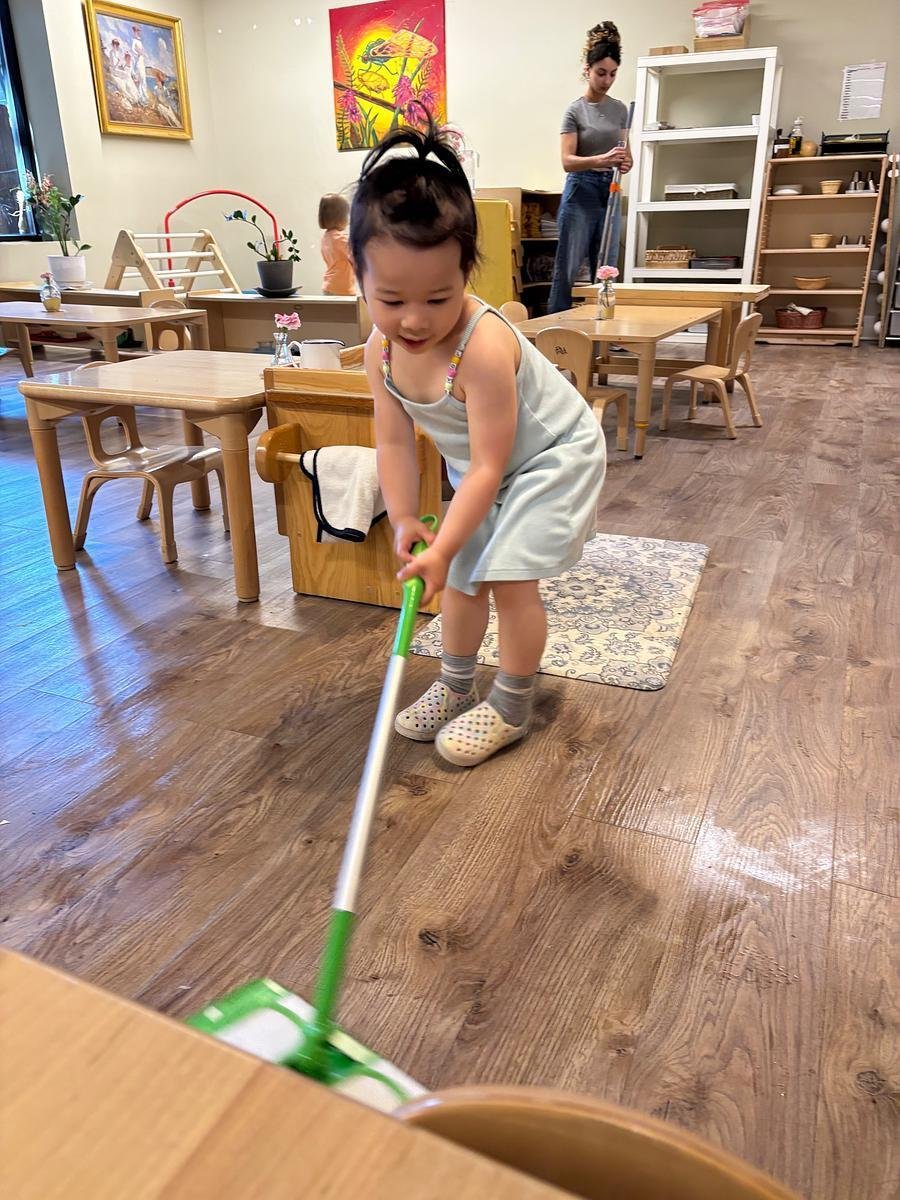
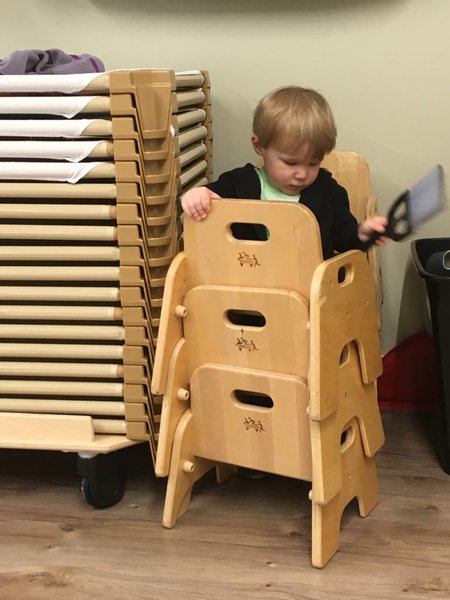
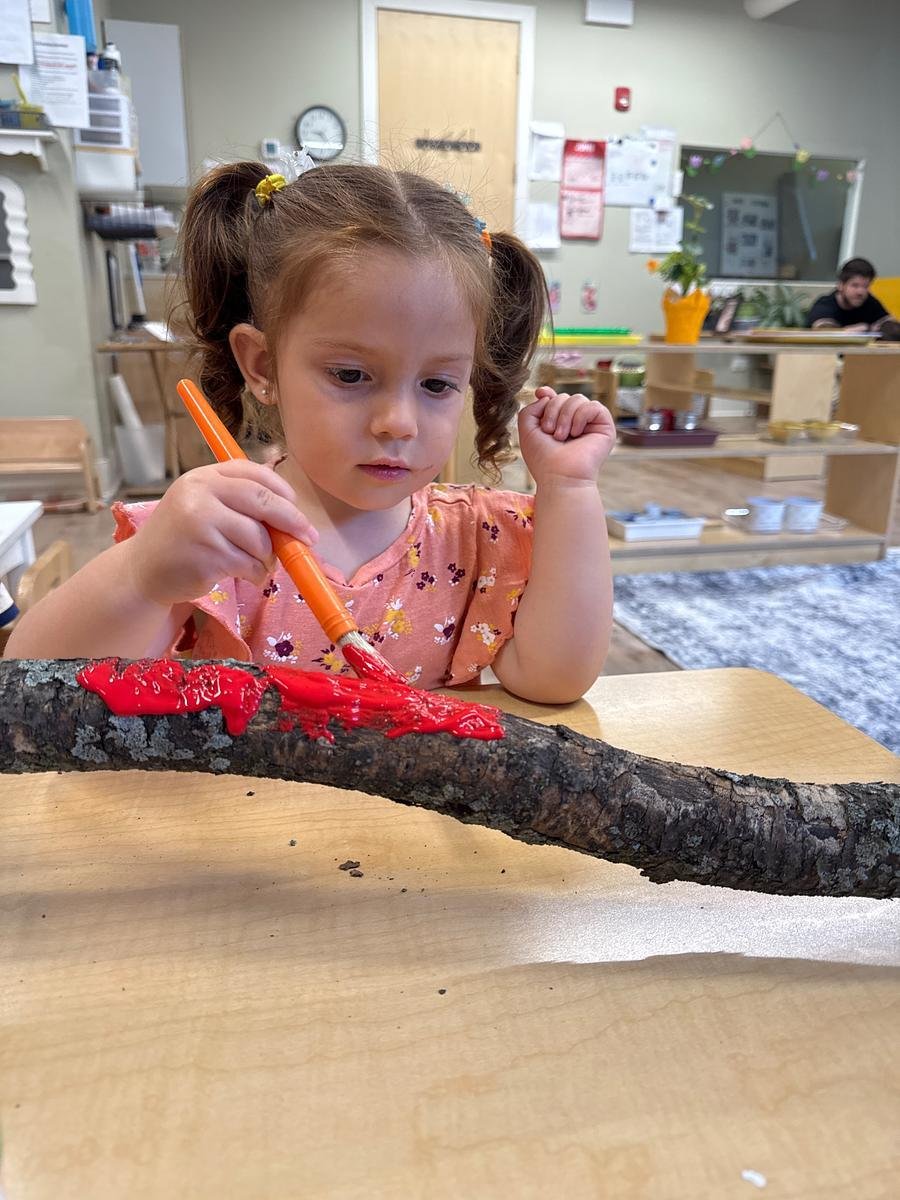
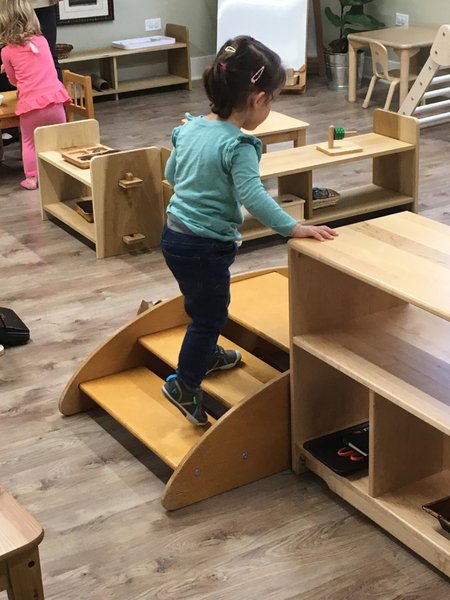
The classroom is carefully designed to encourage exploration, independence, and order. Materials are accessible, child-sized, and arranged to promote freedom within boundaries.
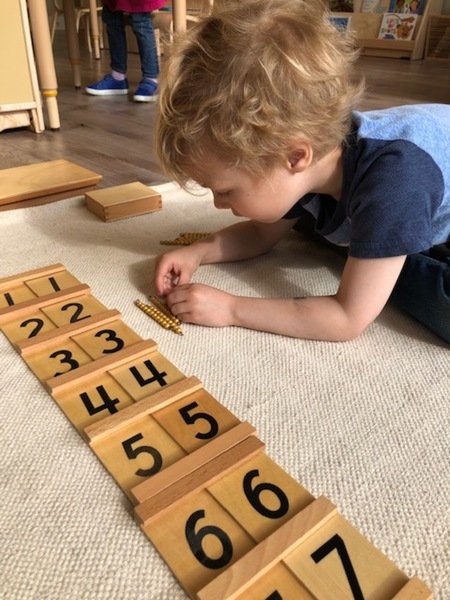
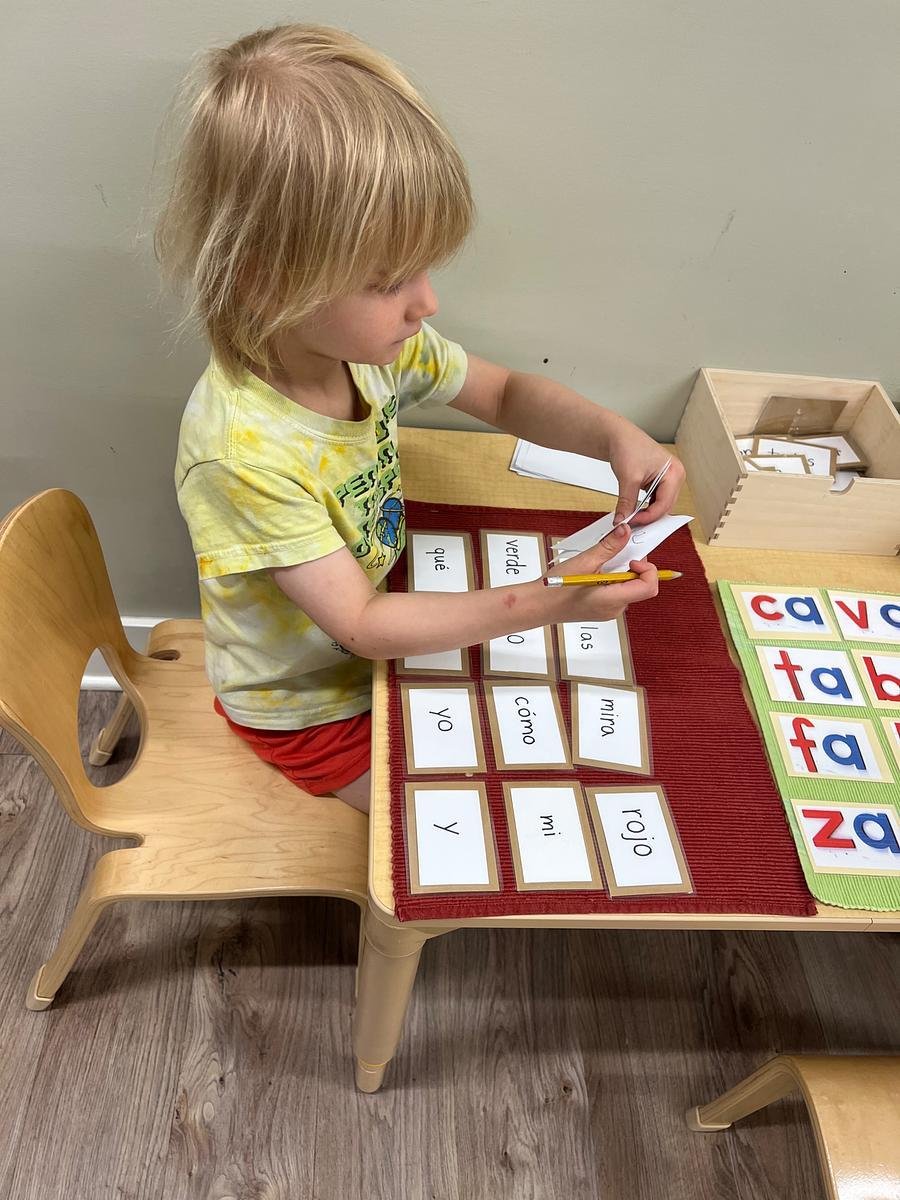
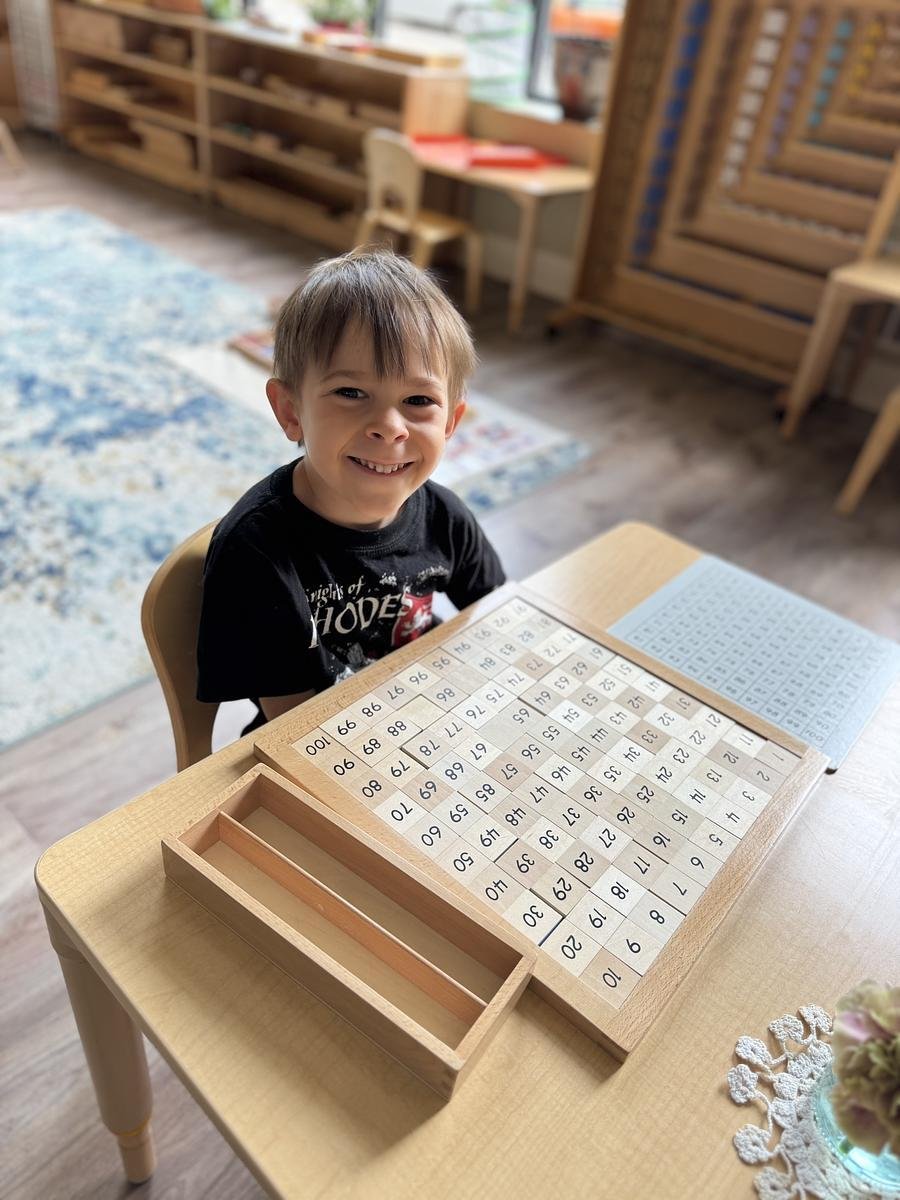
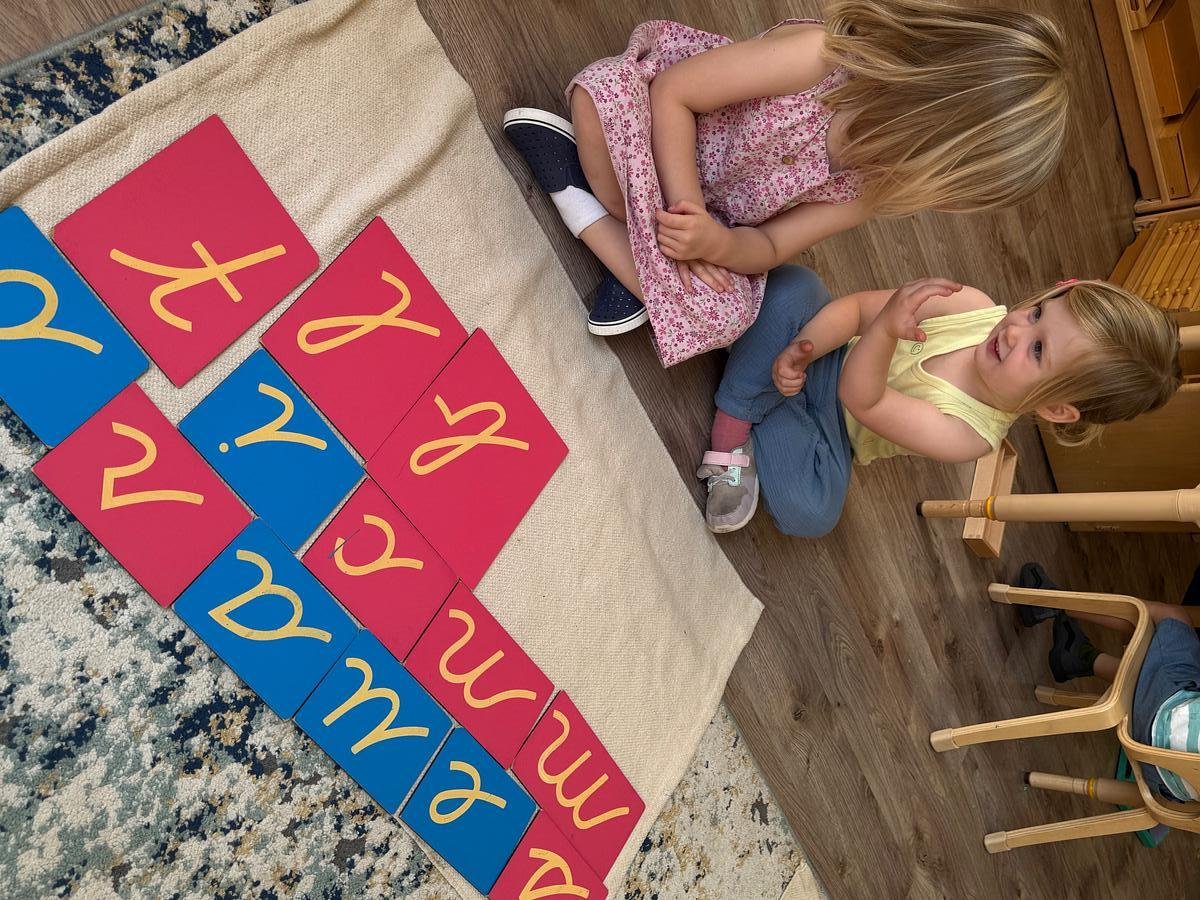
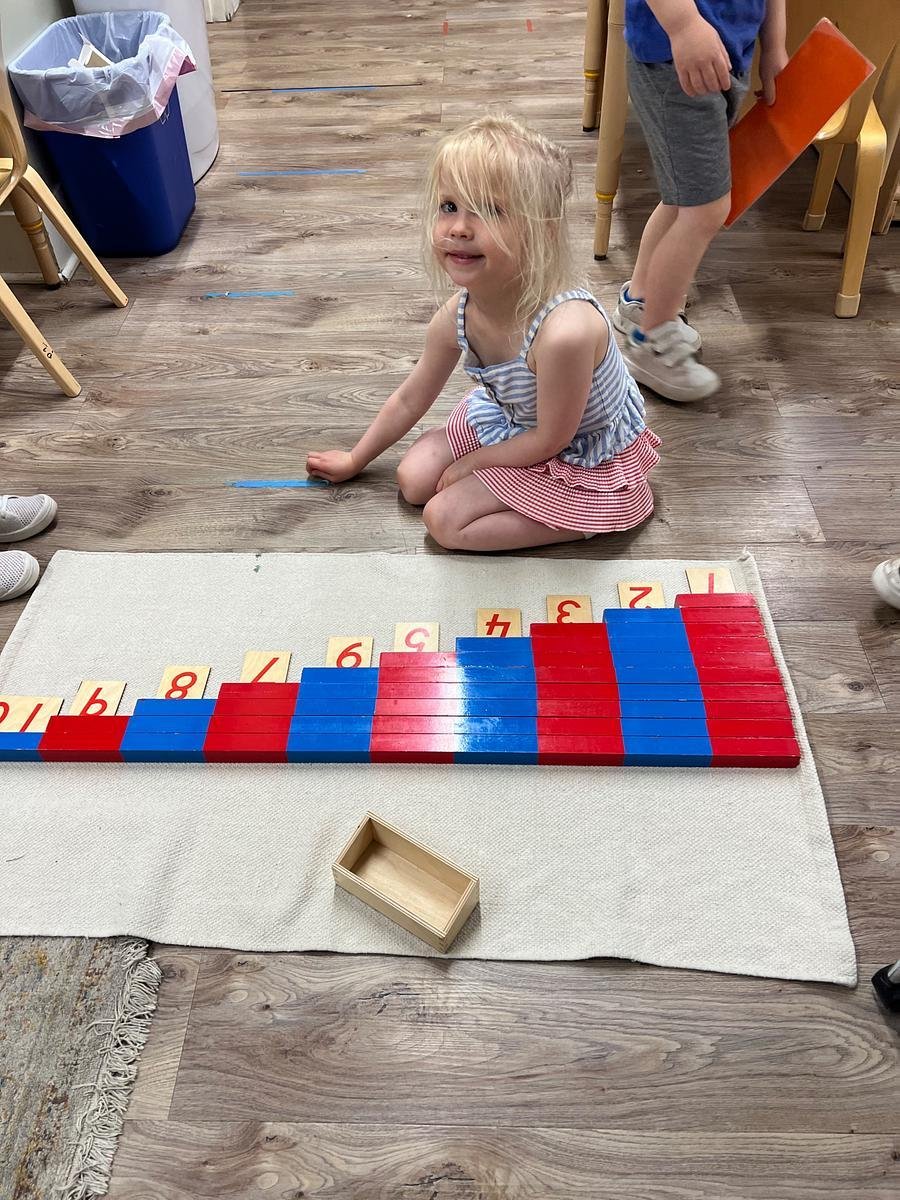
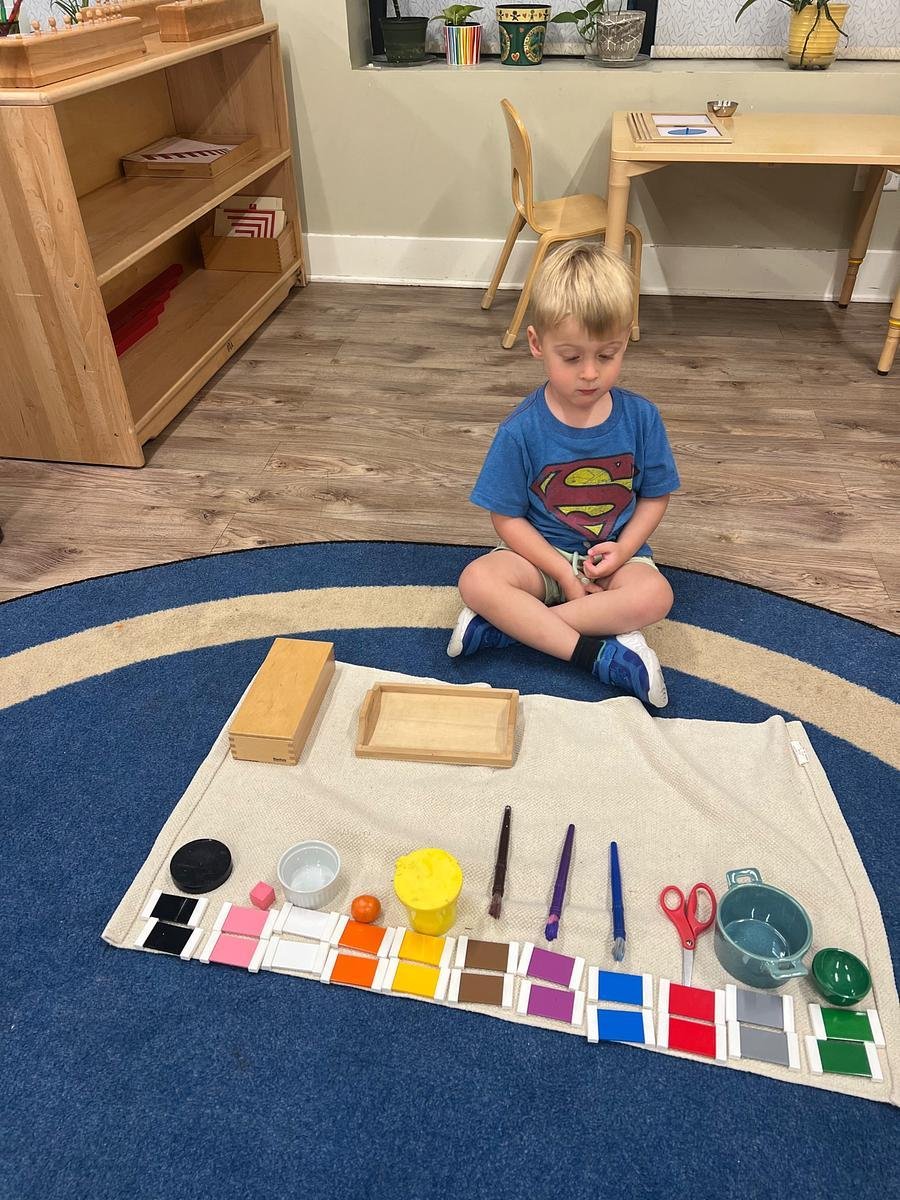
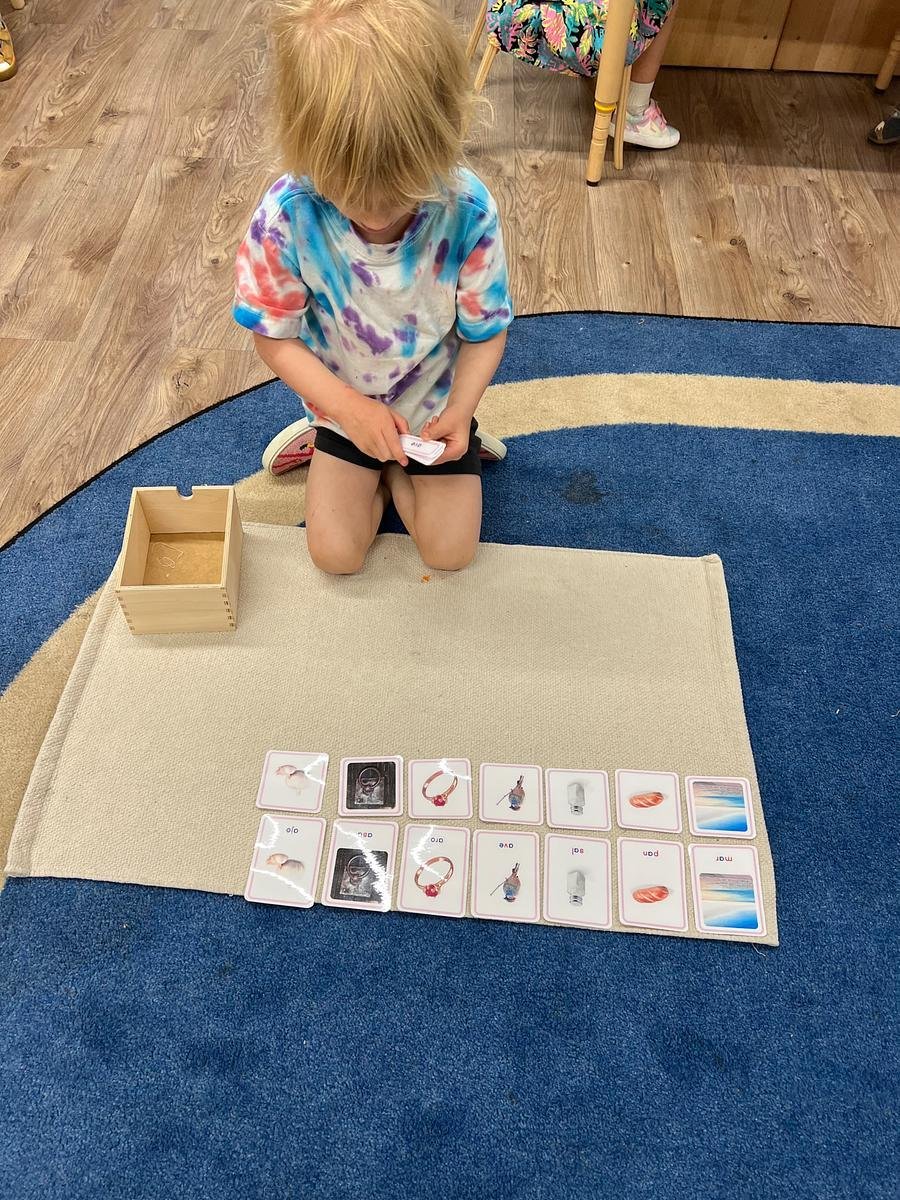
3. Hands-On Learning
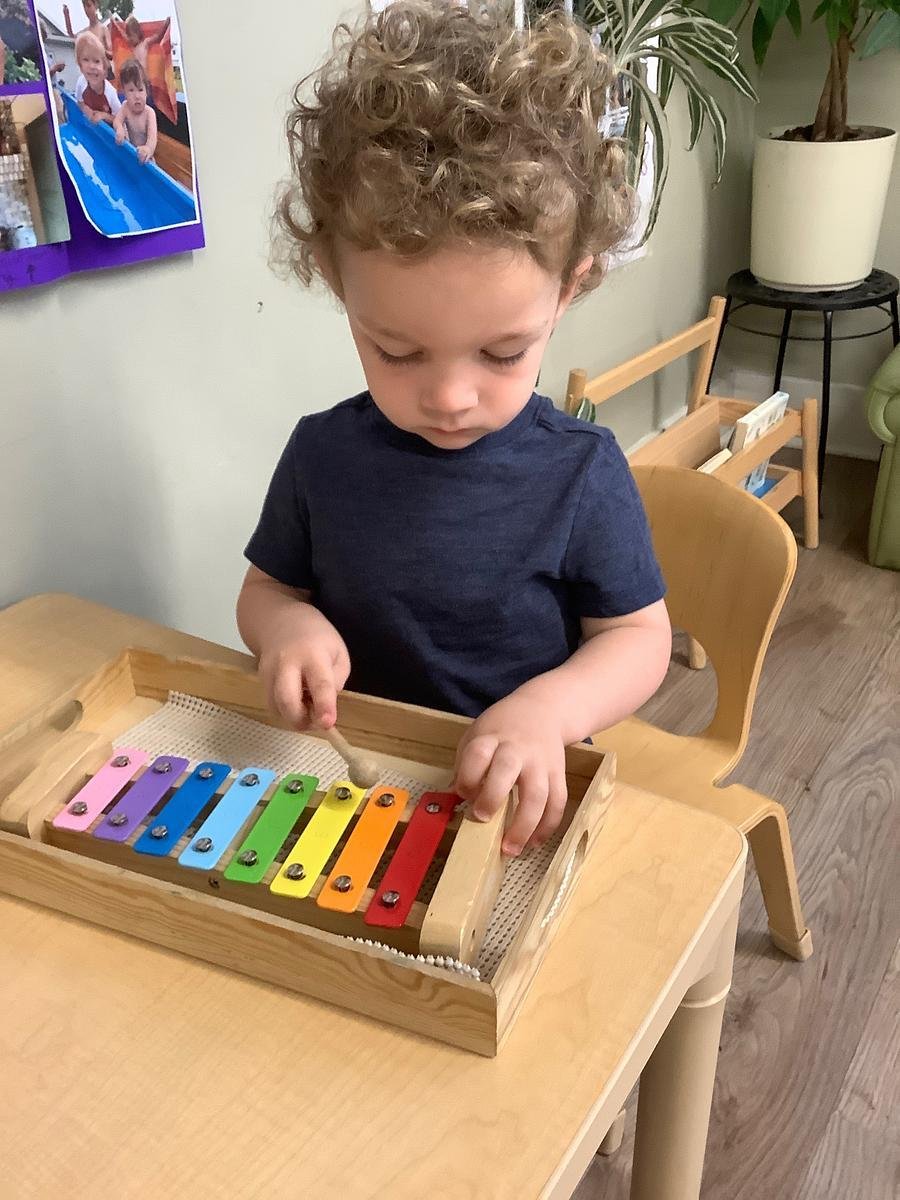
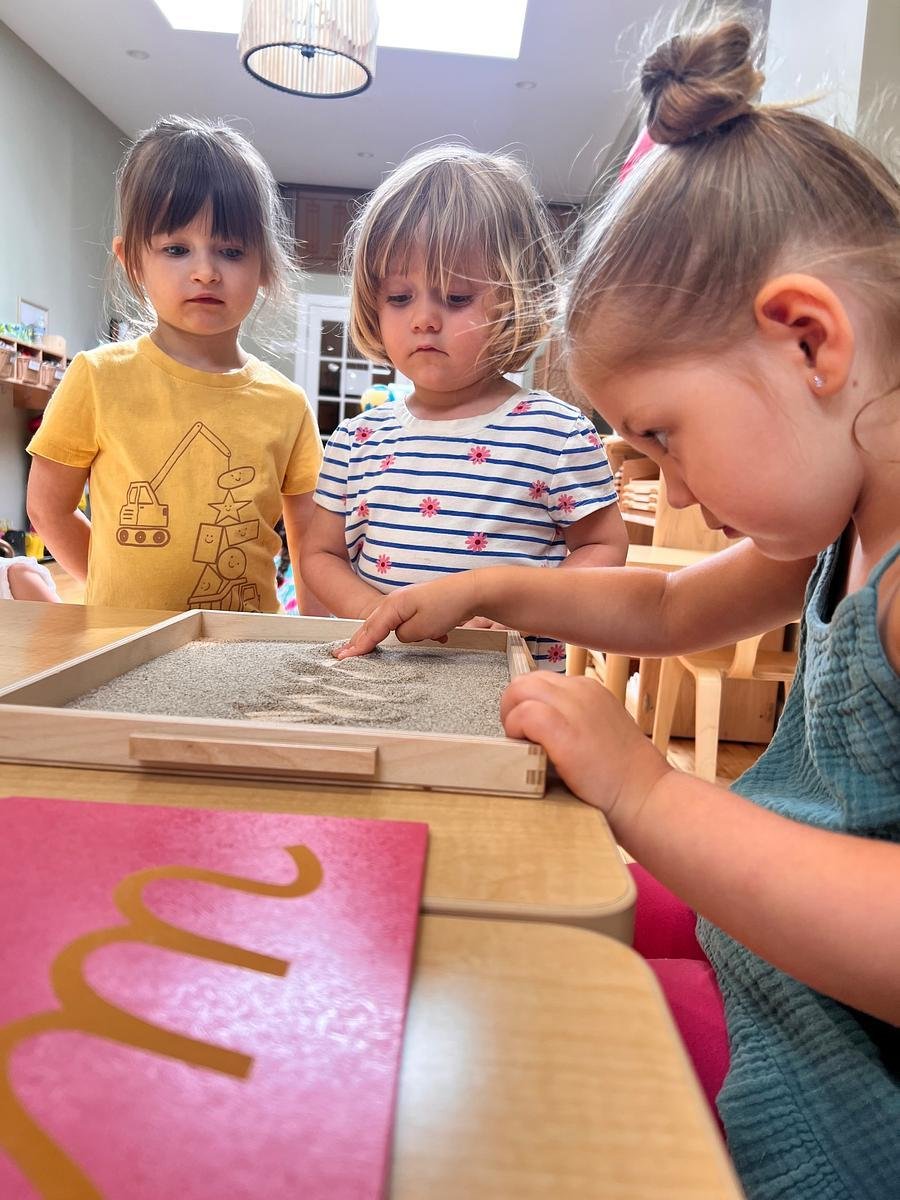
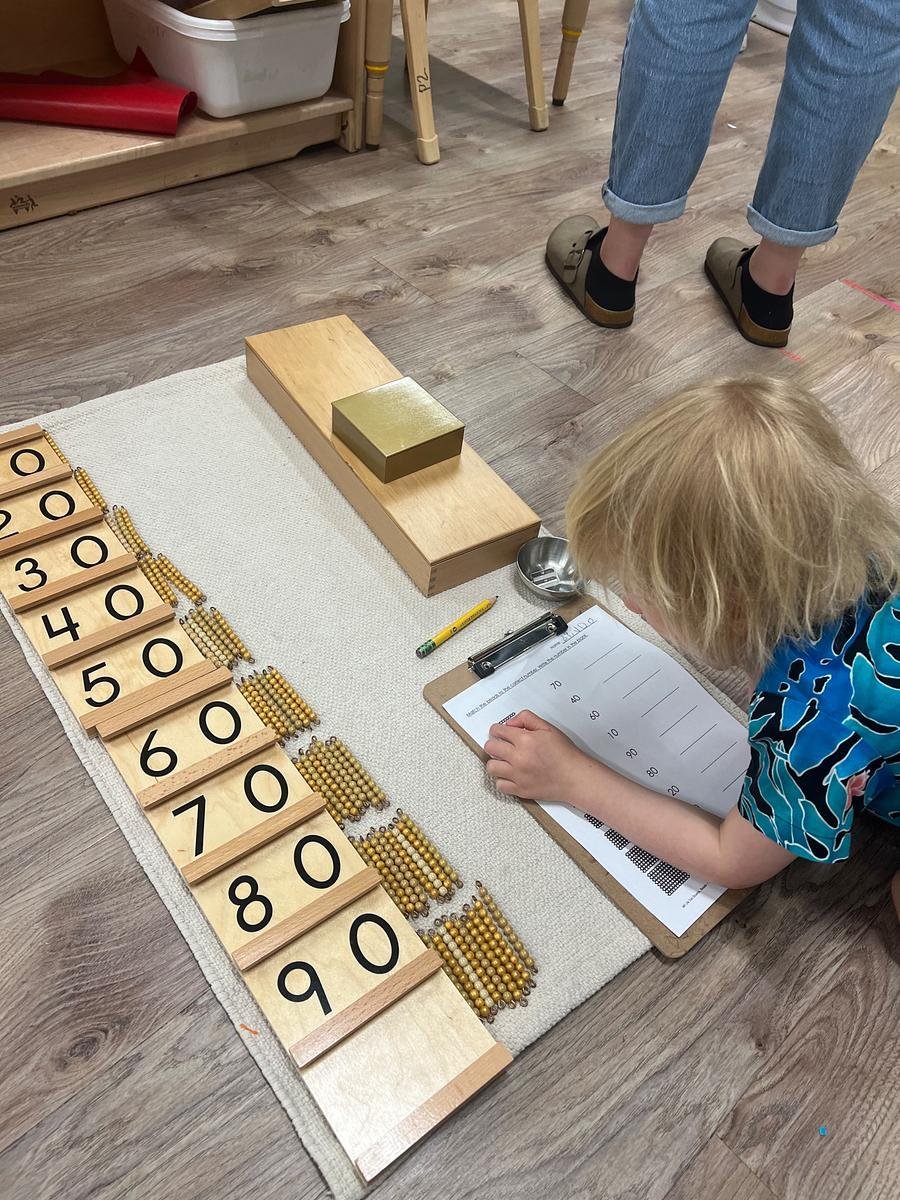
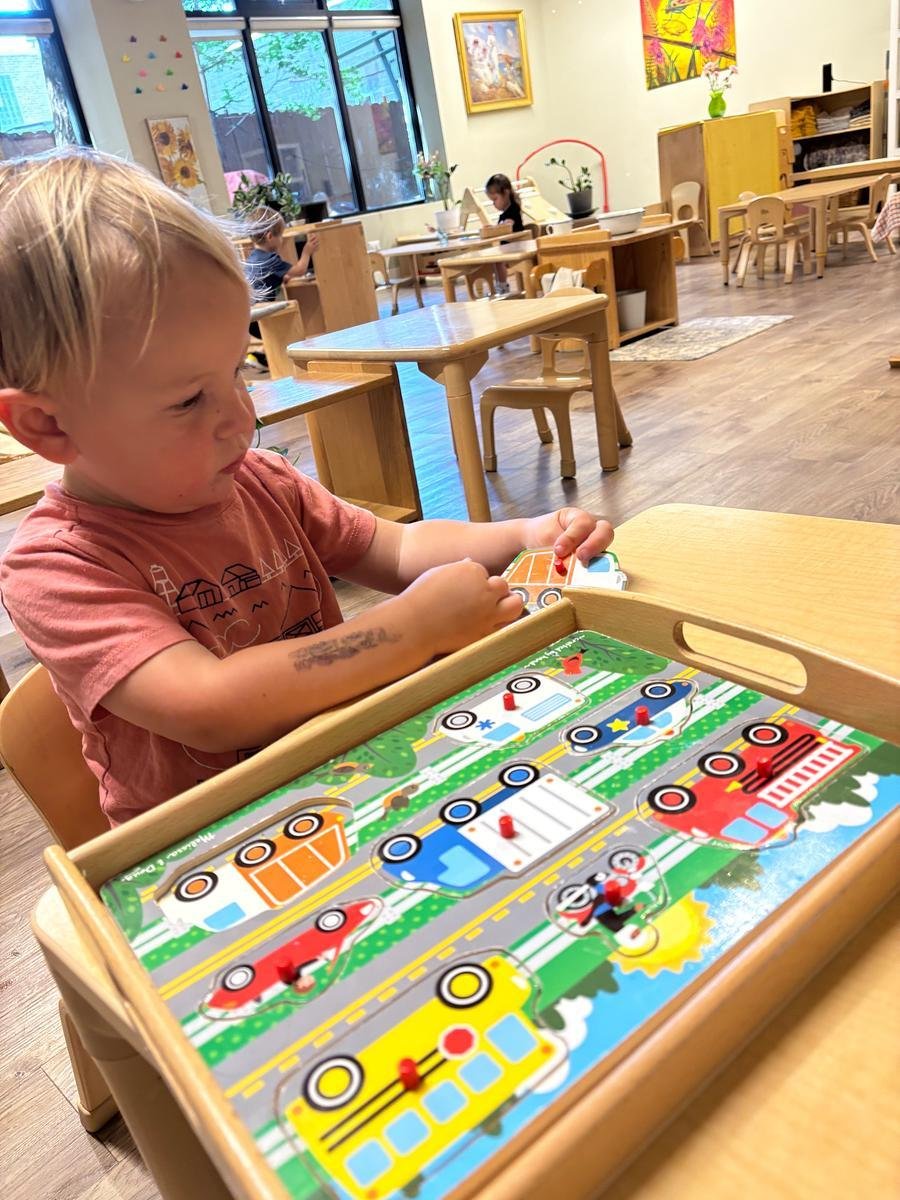
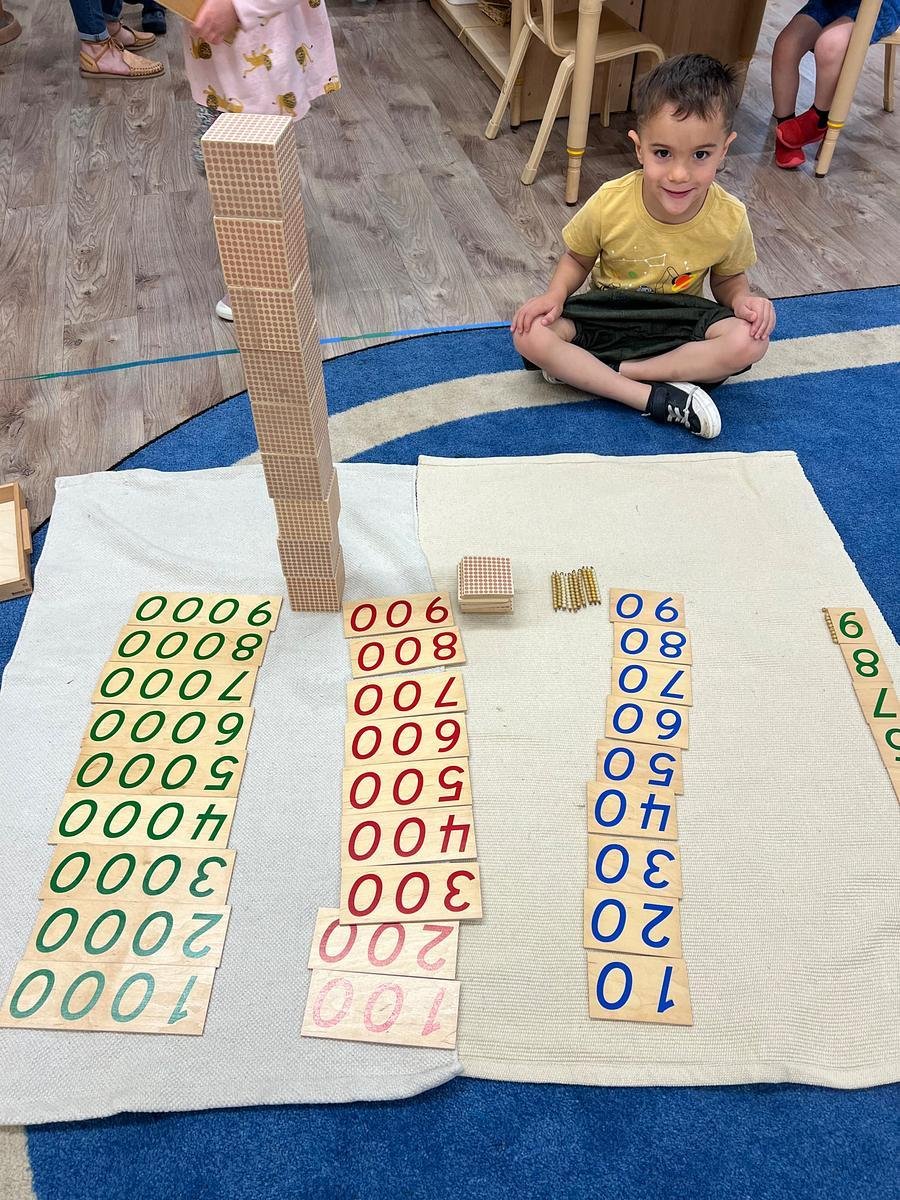
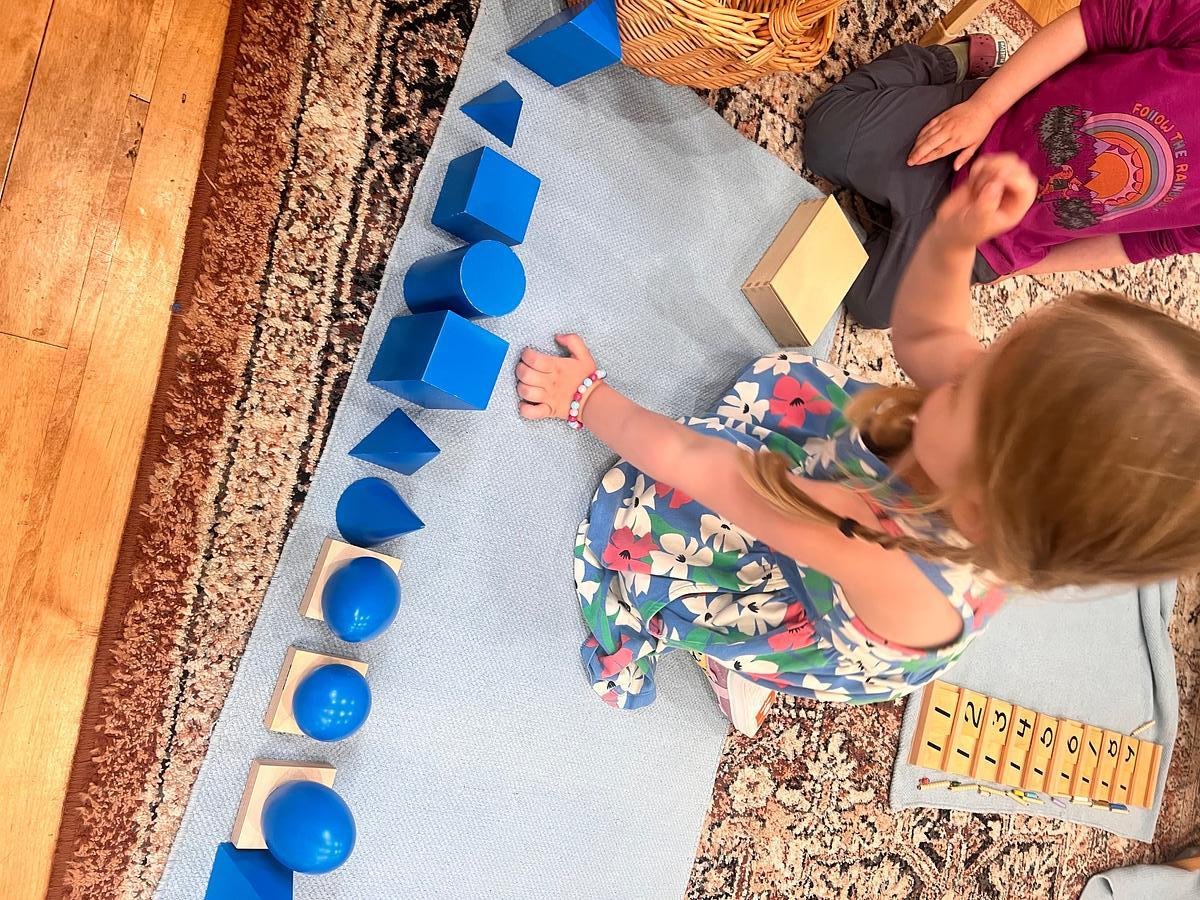
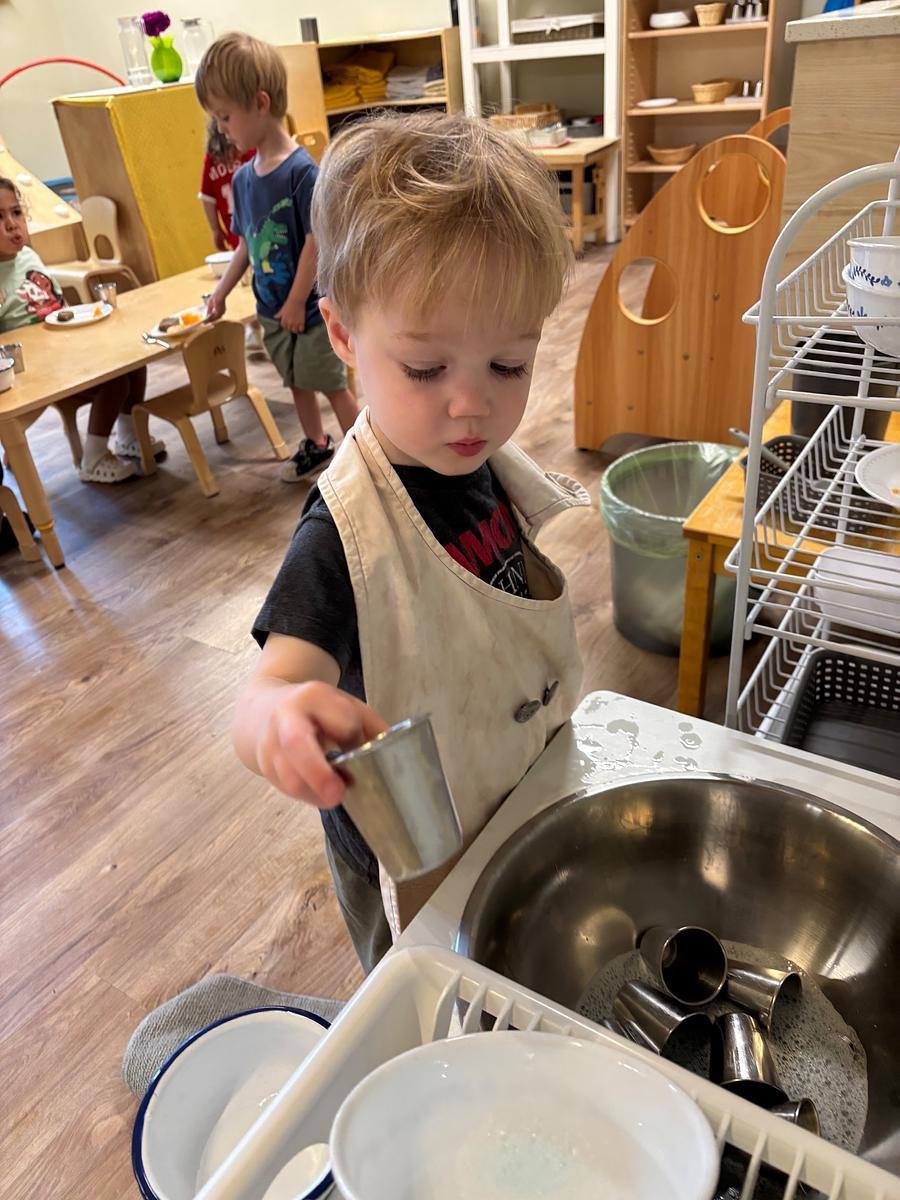
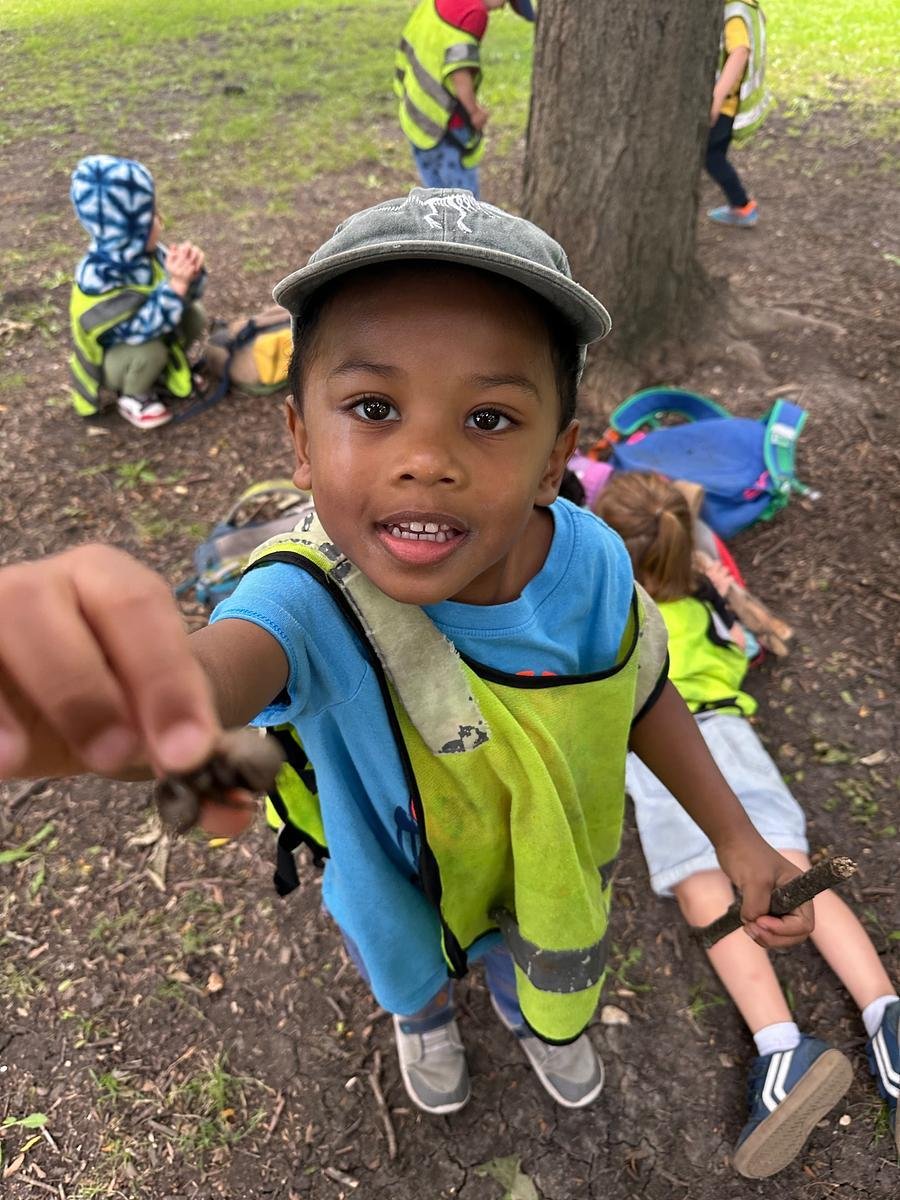
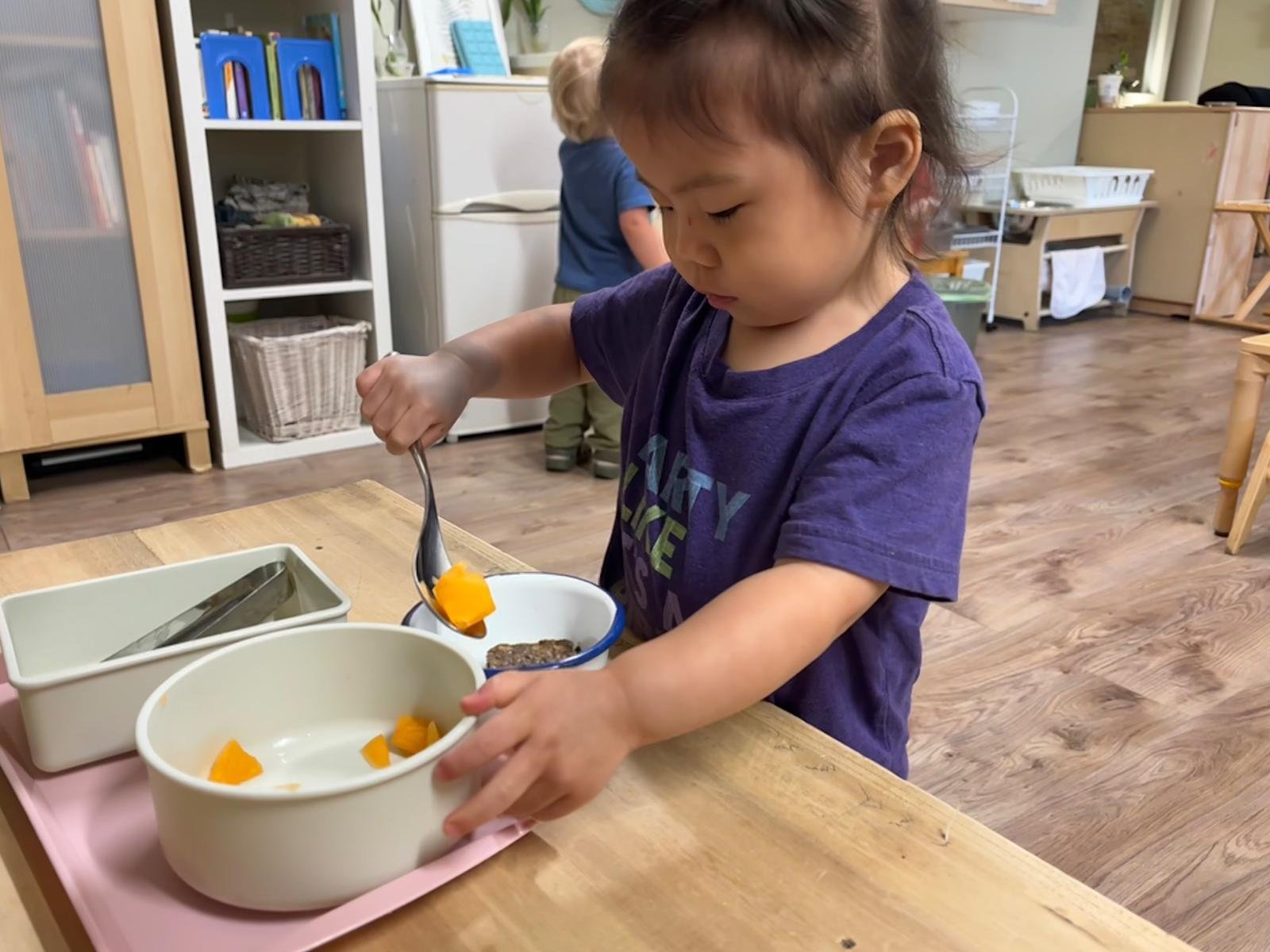
Montessori emphasizes concrete, tactile experiences before abstract ideas. Children manipulate real materials (like beads, sandpaper letters, or practical life tools) to internalize concepts.
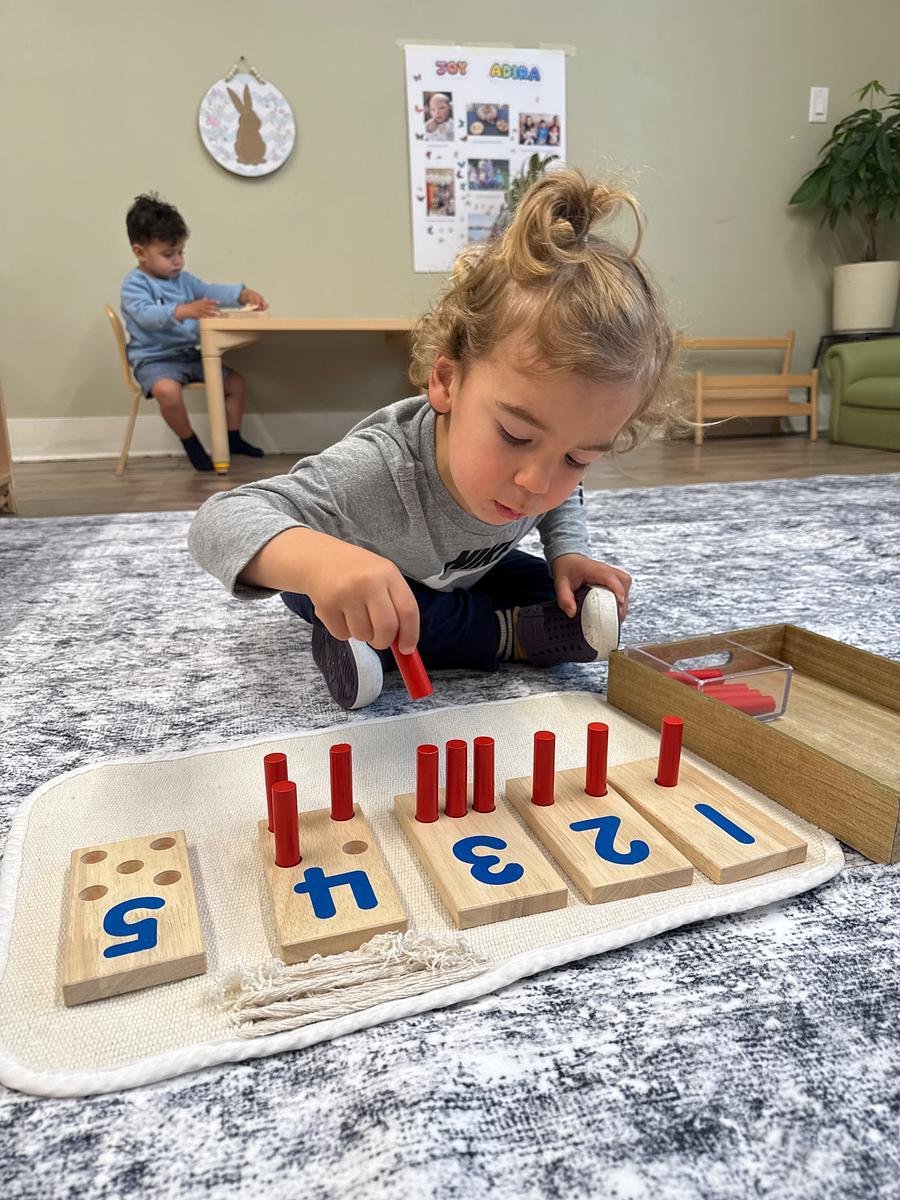
4. Self-Directed Activity (Freedom of Choice)
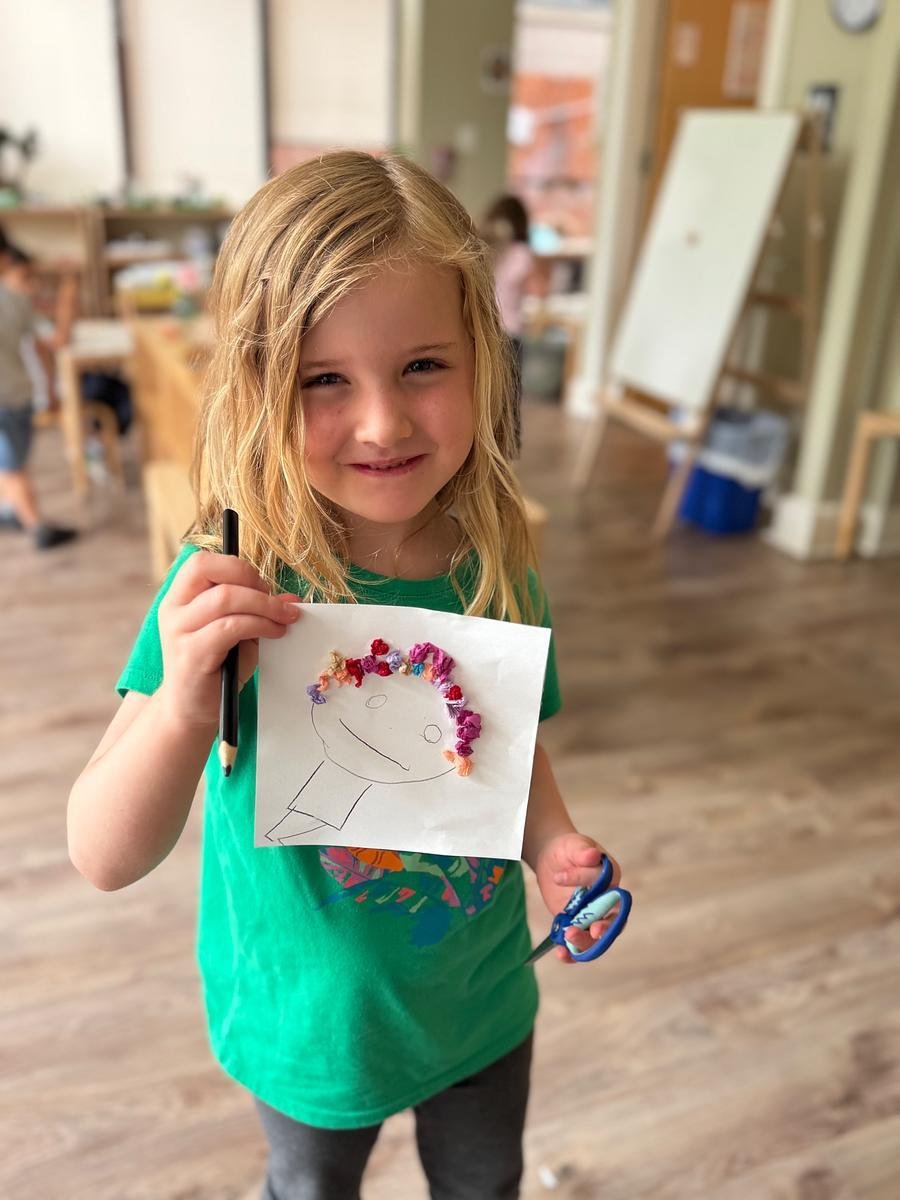
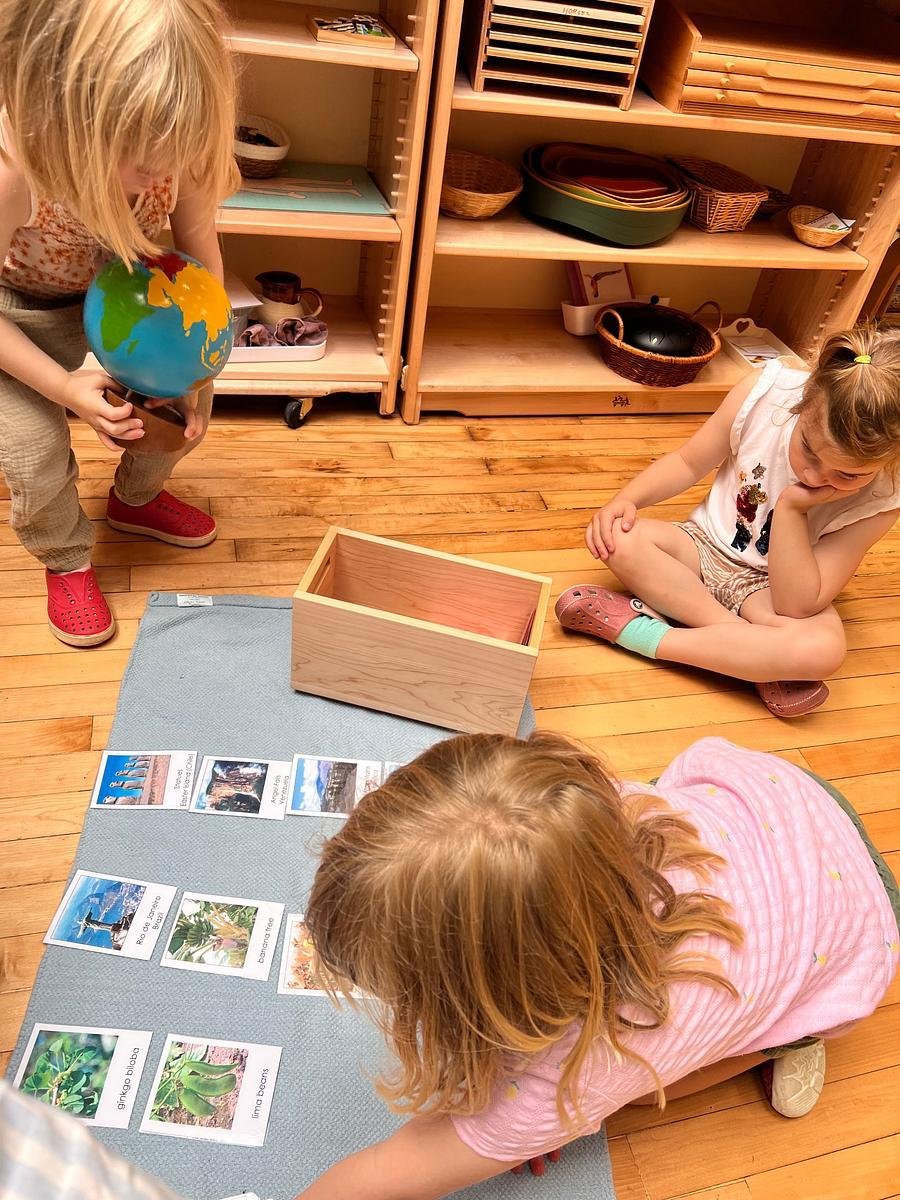
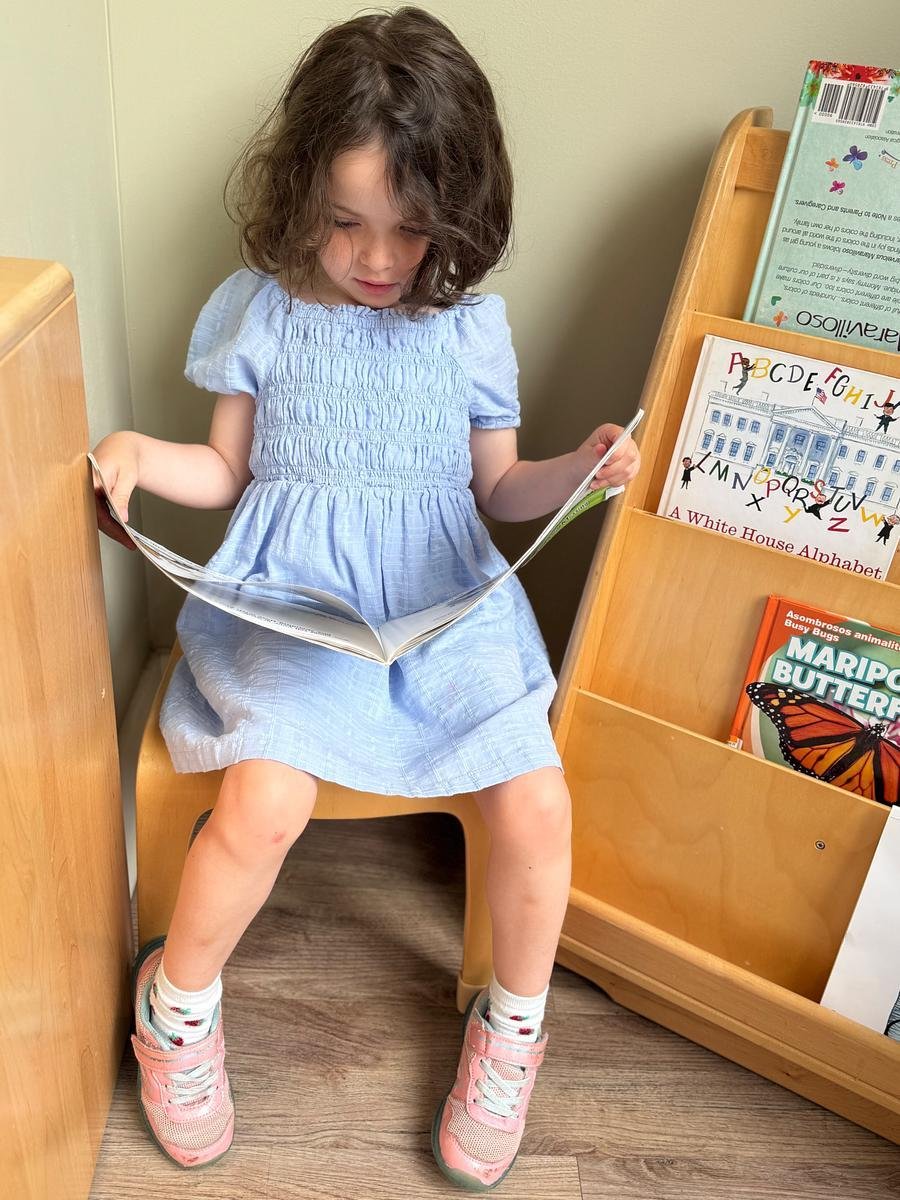
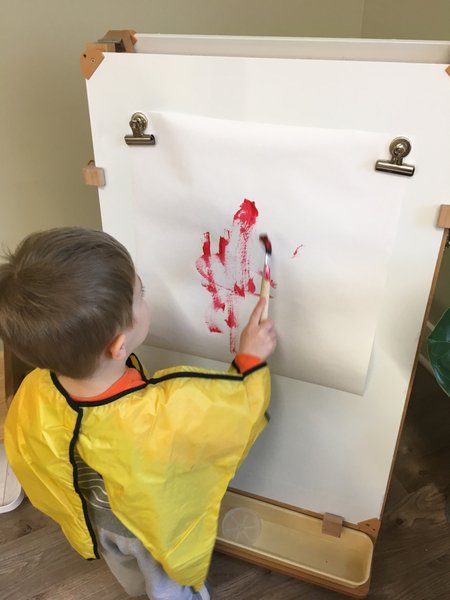
Children choose their own work from a range of prepared options, which fosters intrinsic motivation, concentration, and decision-making skills.
5. Mixed-Age Classrooms
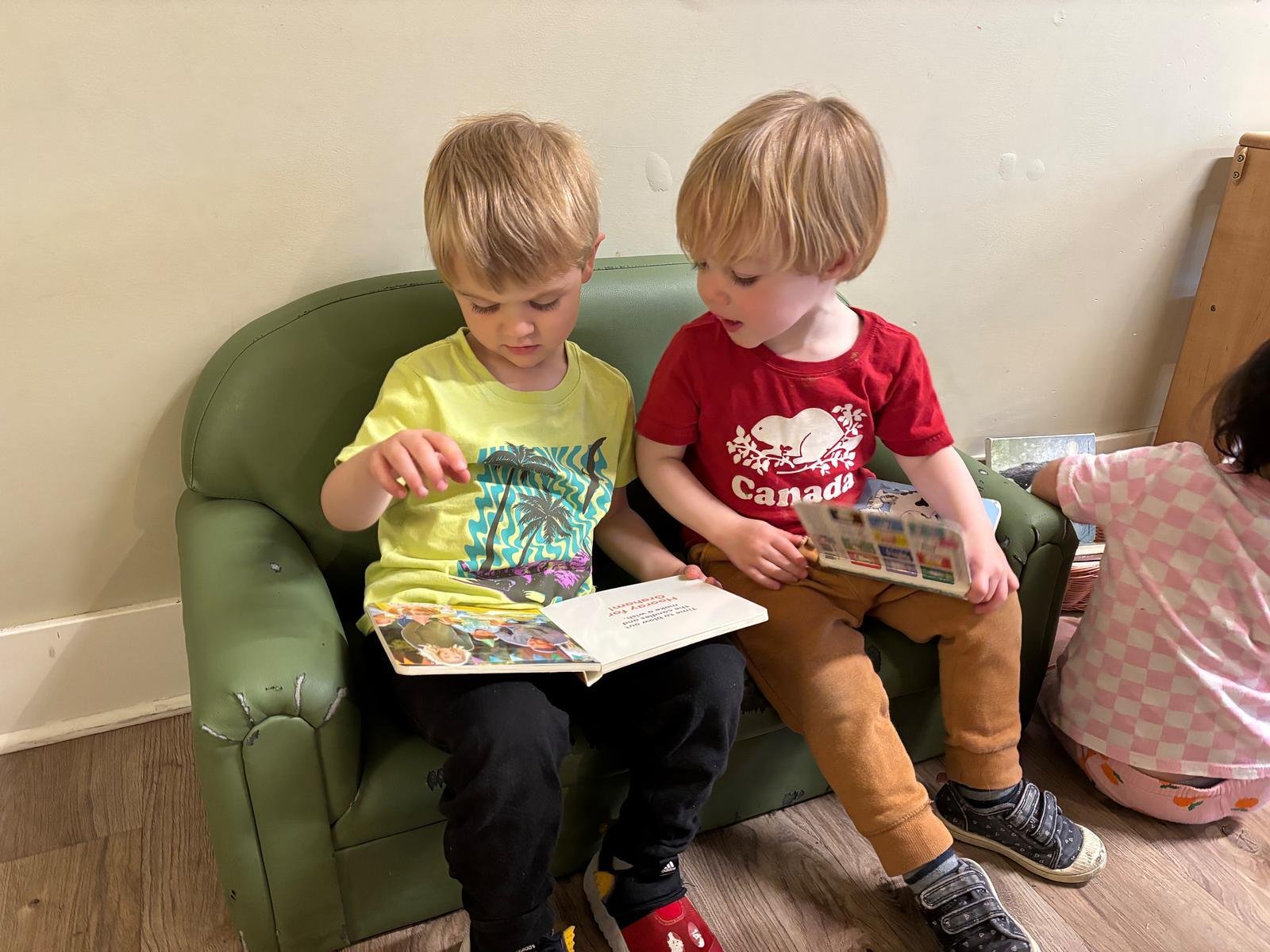
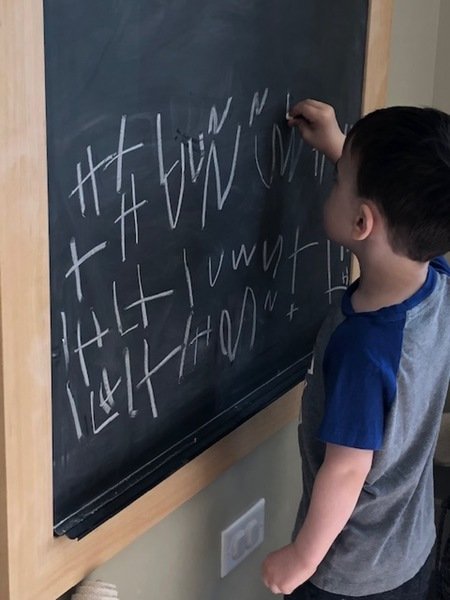
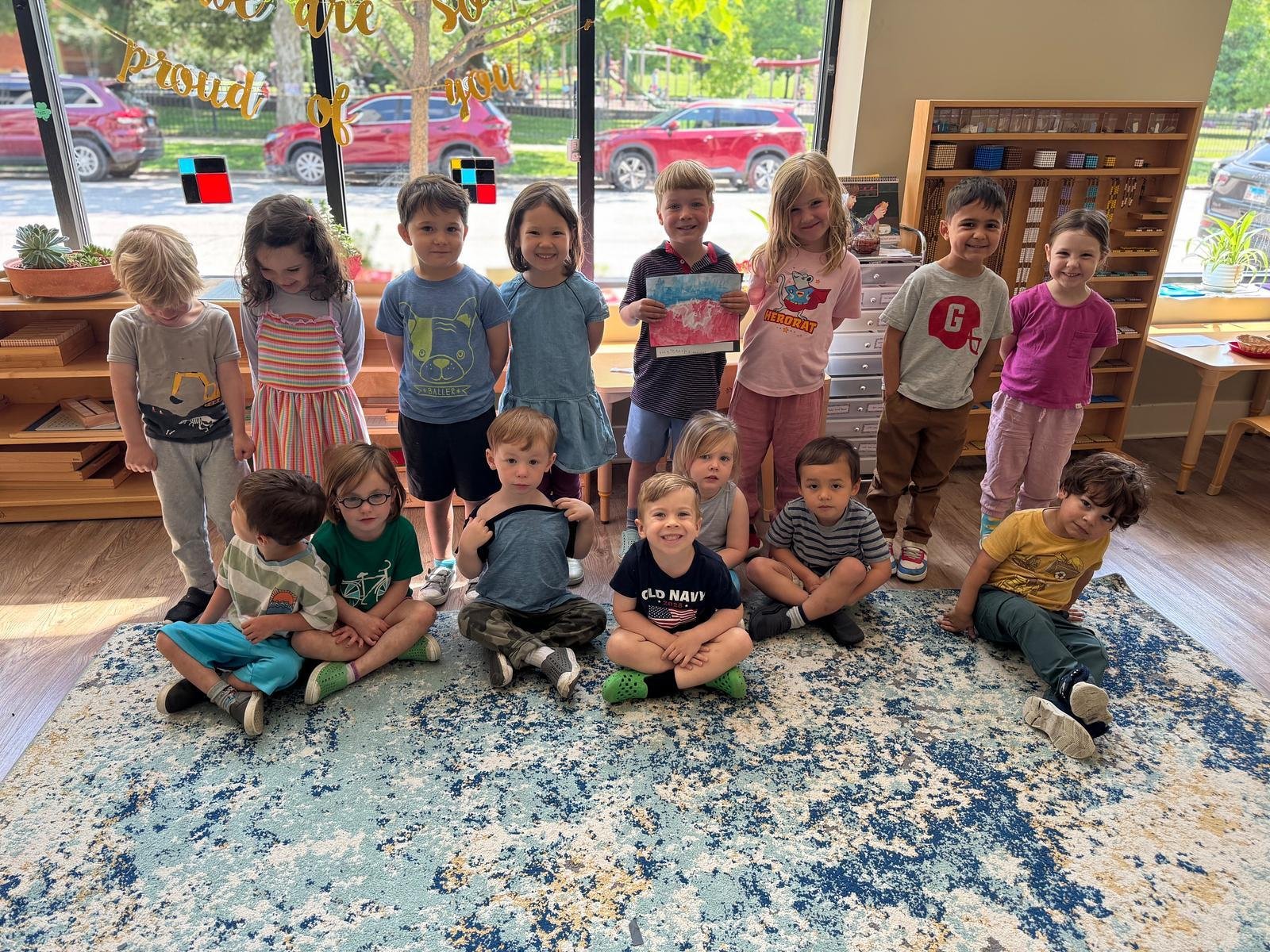
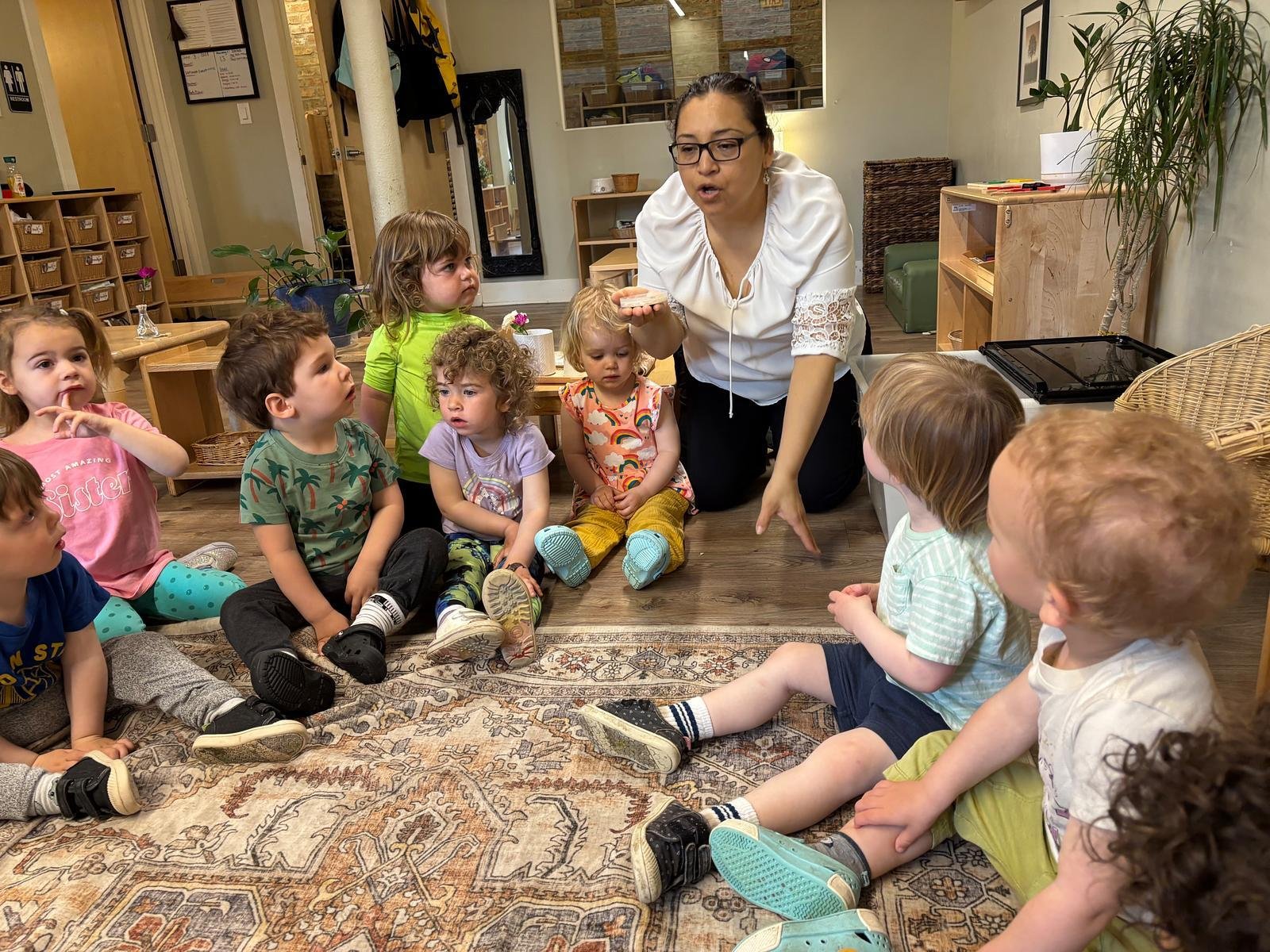
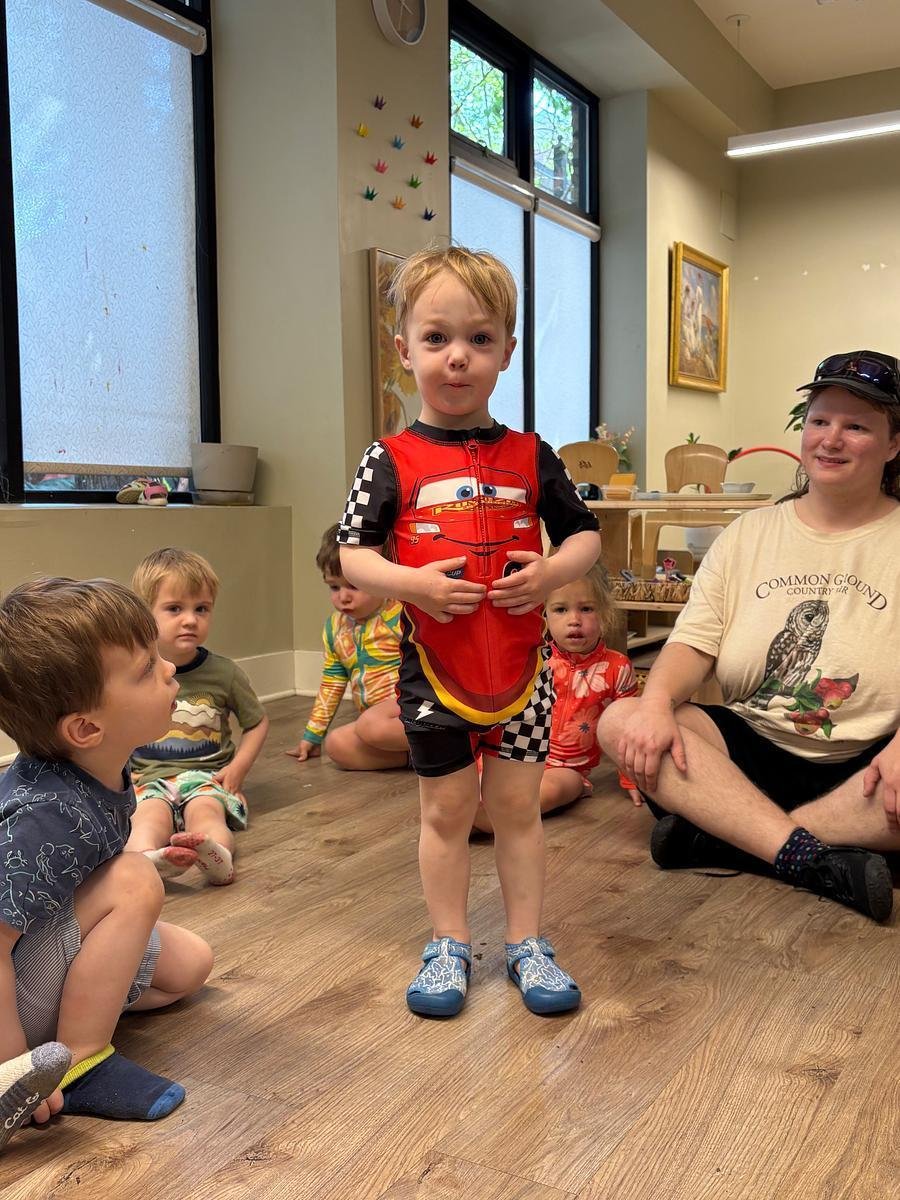
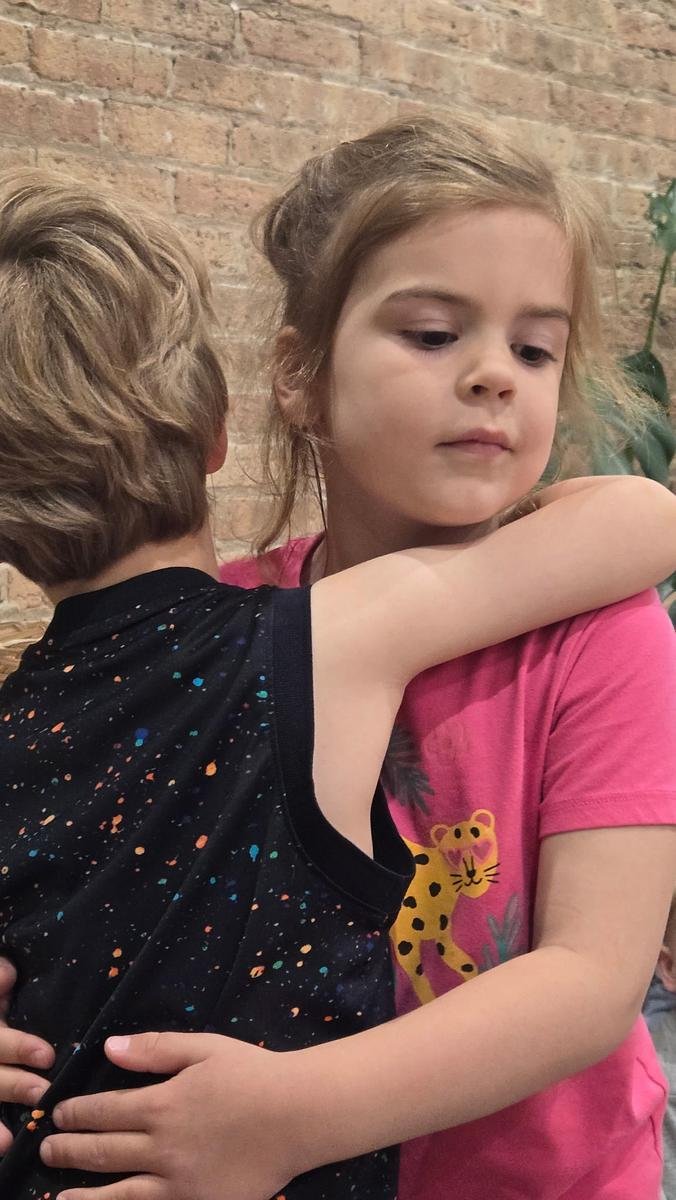
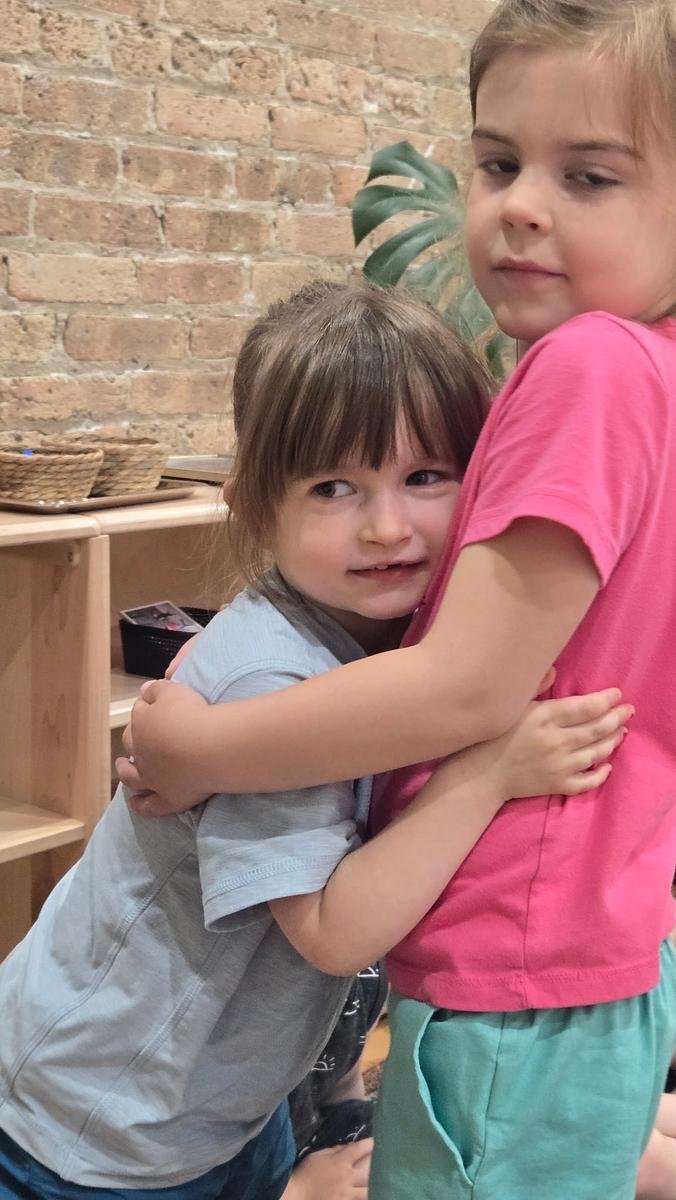
Classes group children in multi-age spans (typically 3 years). Older children model and reinforce learning, while younger children are inspired and supported by peers.
6. Role of the Teacher (Guide)
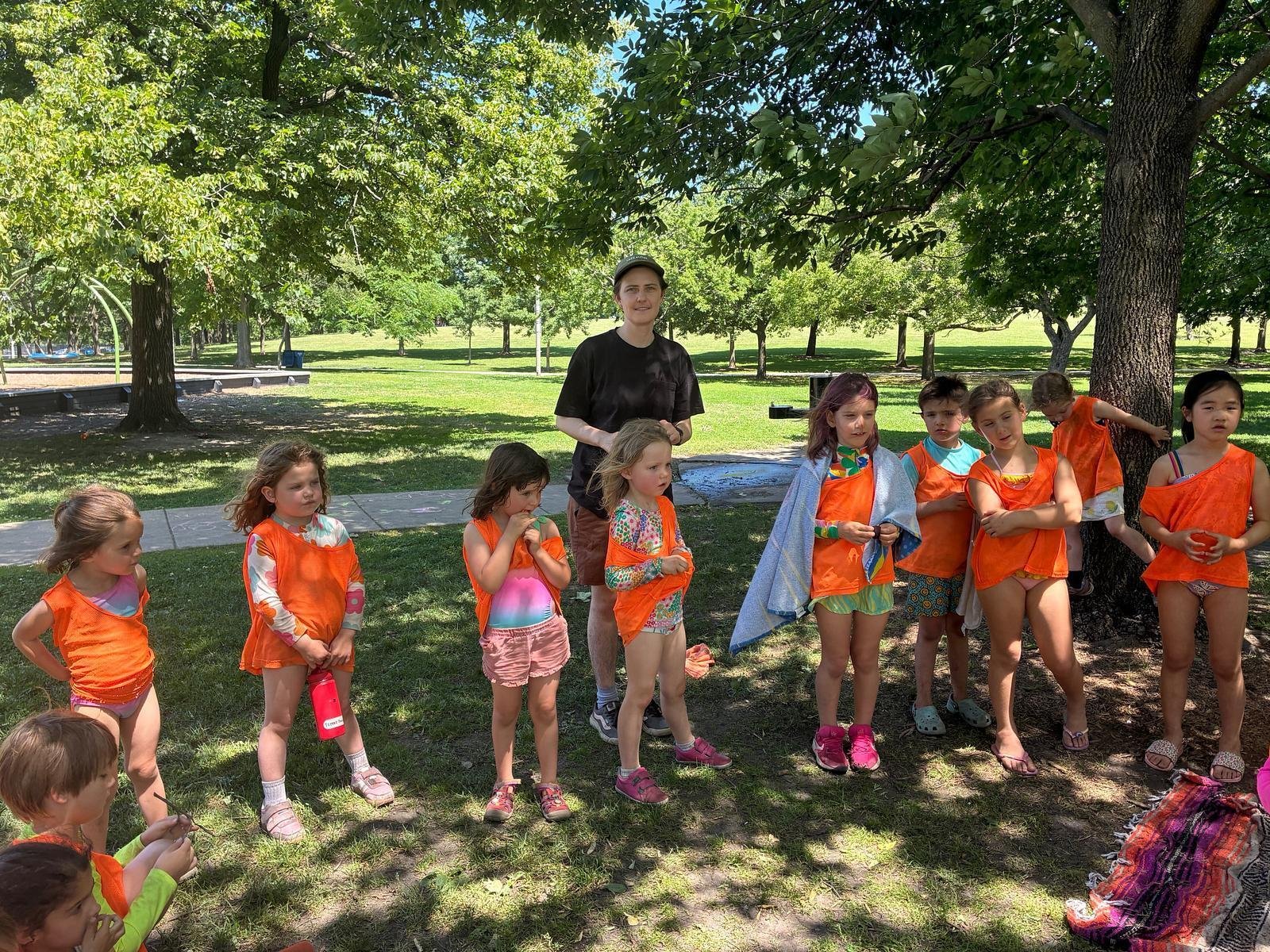
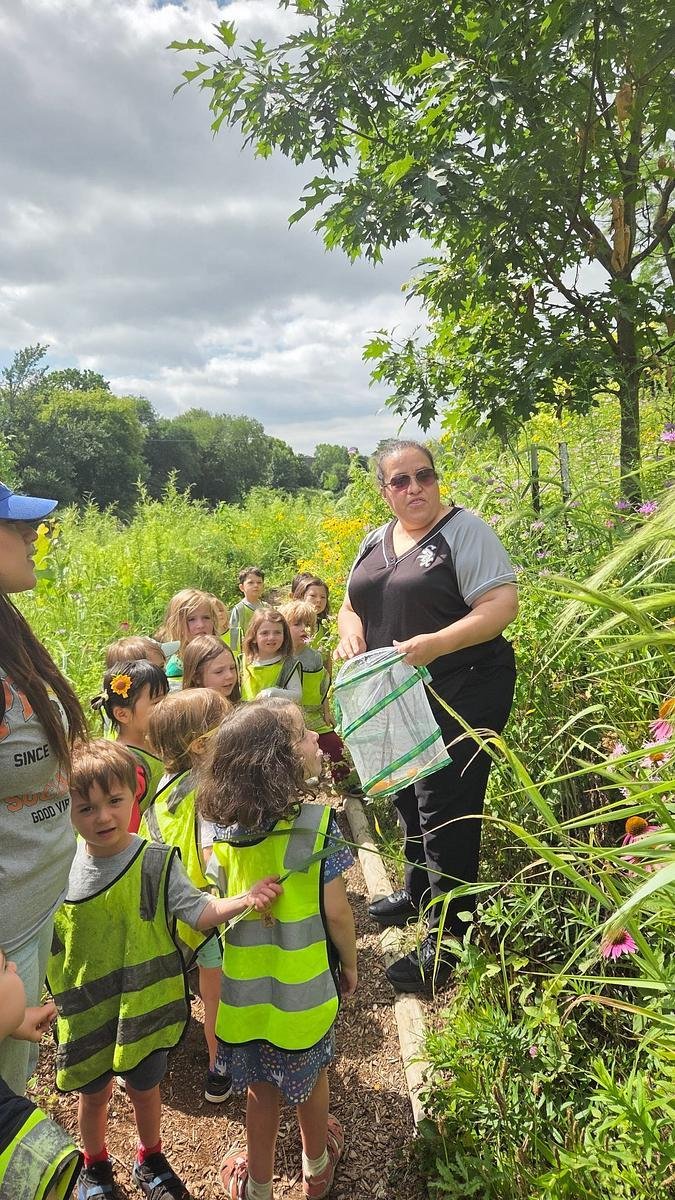
Instead of lecturing, Montessori teachers observe, guide, and connect children with materials when they are ready, supporting each child’s natural development.
7. Sensitive Periods
Montessori observed that children go through windows of heightened sensitivity to learning certain skills (e.g., language, order, movement). The environment and materials are designed to support these stages.
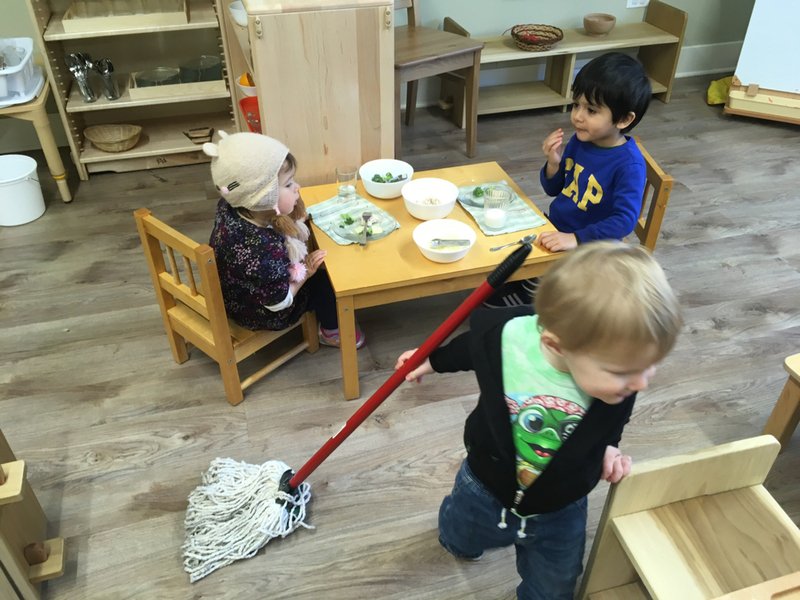
8. Independence and Responsibility
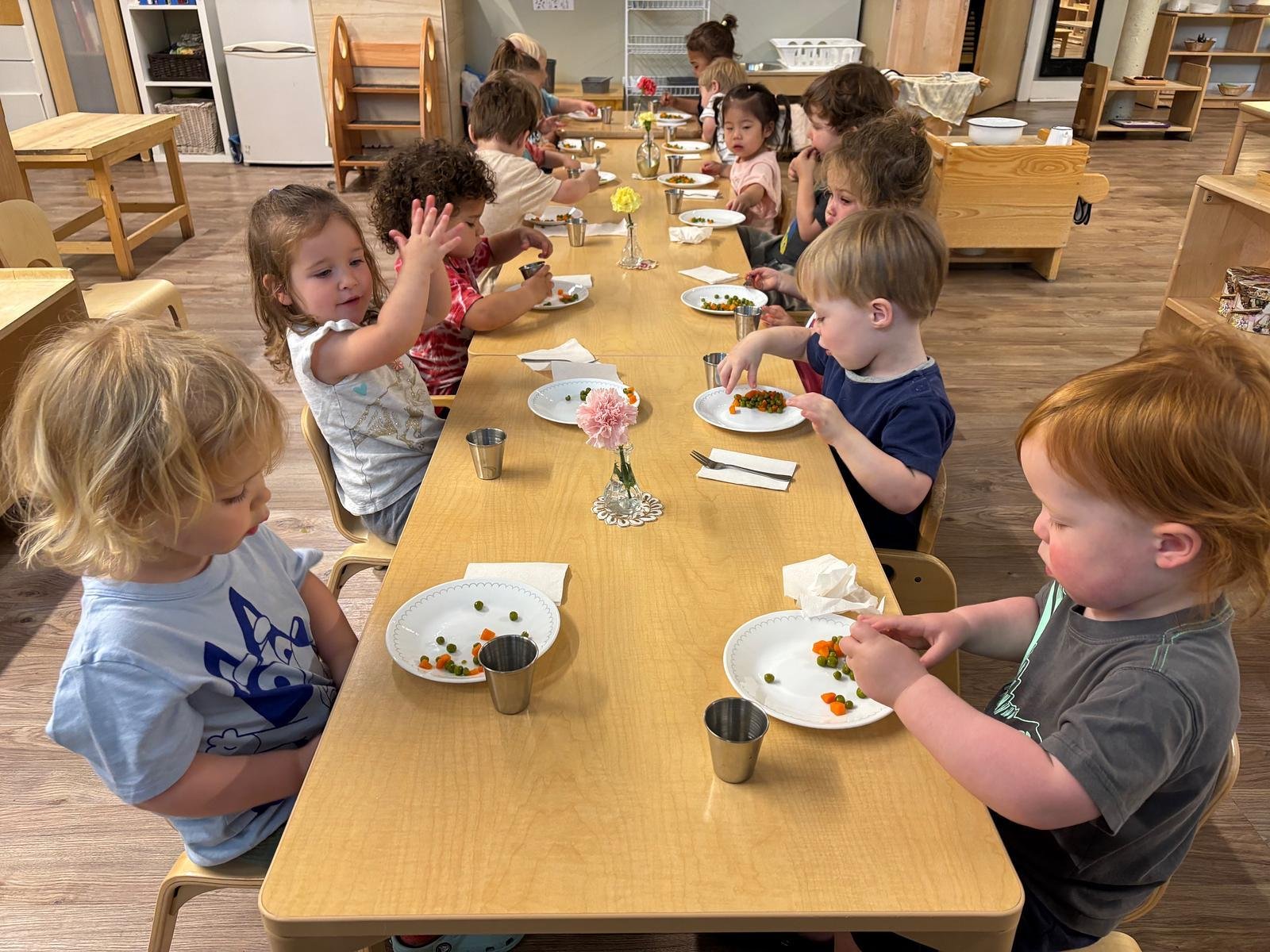
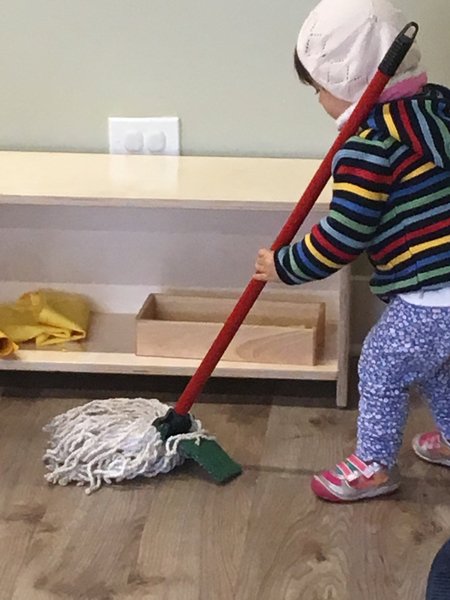
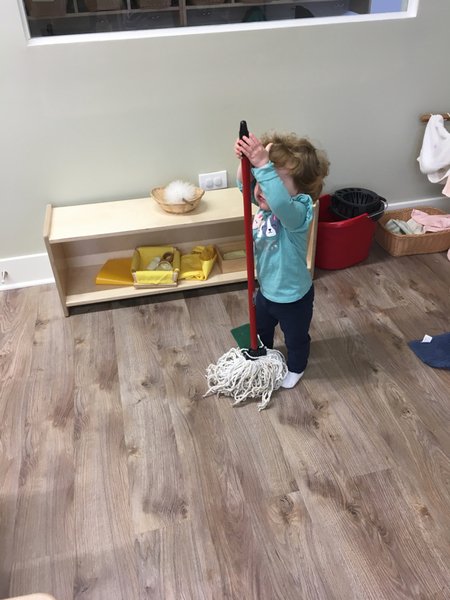
Children are encouraged to do things for themselves—dressing, cleaning, problem-solving, managing time—which builds confidence and self-discipline.
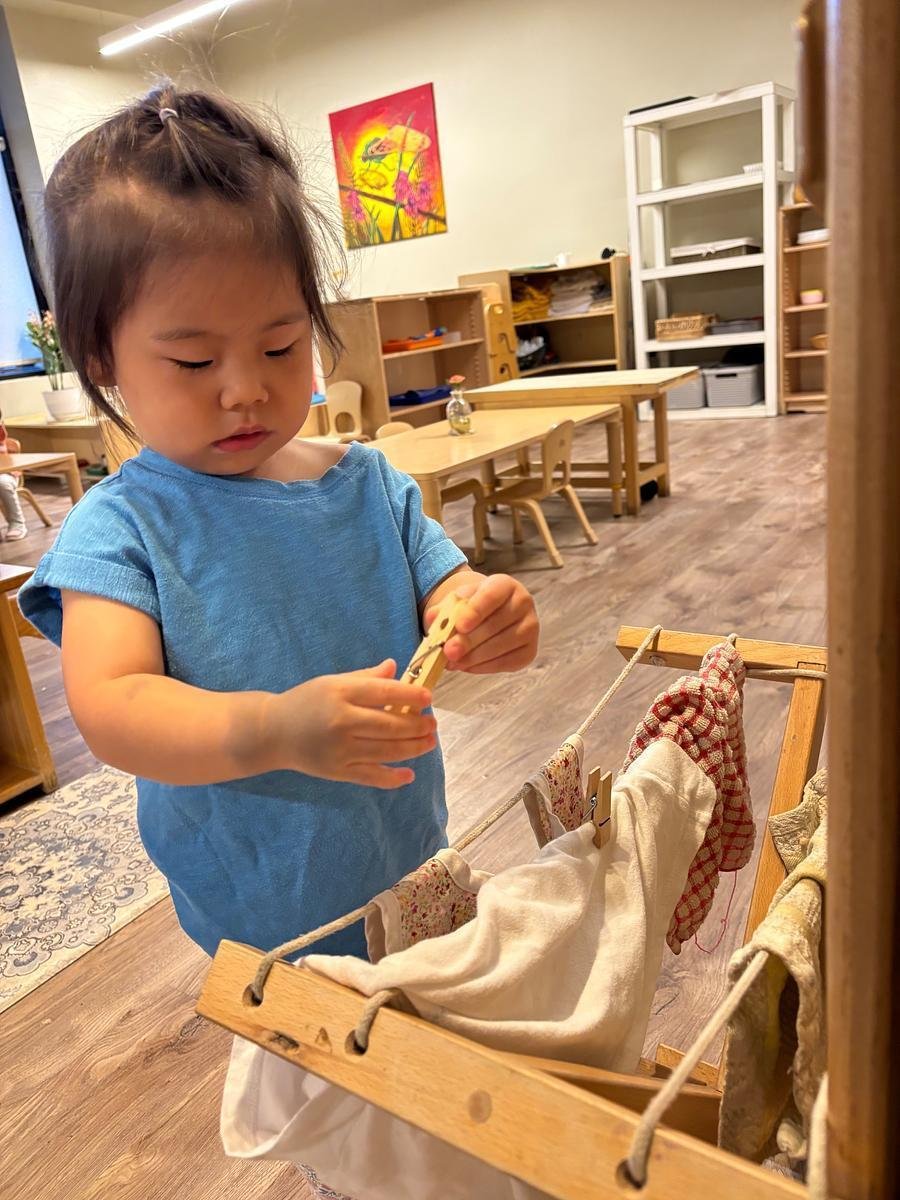
9. Auto-Education (Self-Education)
Montessori believed children naturally drive their own learning when given the right tools and environment. The materials include built-in controls of error, so children can learn and correct themselves without constant adult intervention.
Children are seen as capable, independent beings. Adults respect their choices, pace of learning, and individuality, rather than imposing a one-size-fits-all approach.
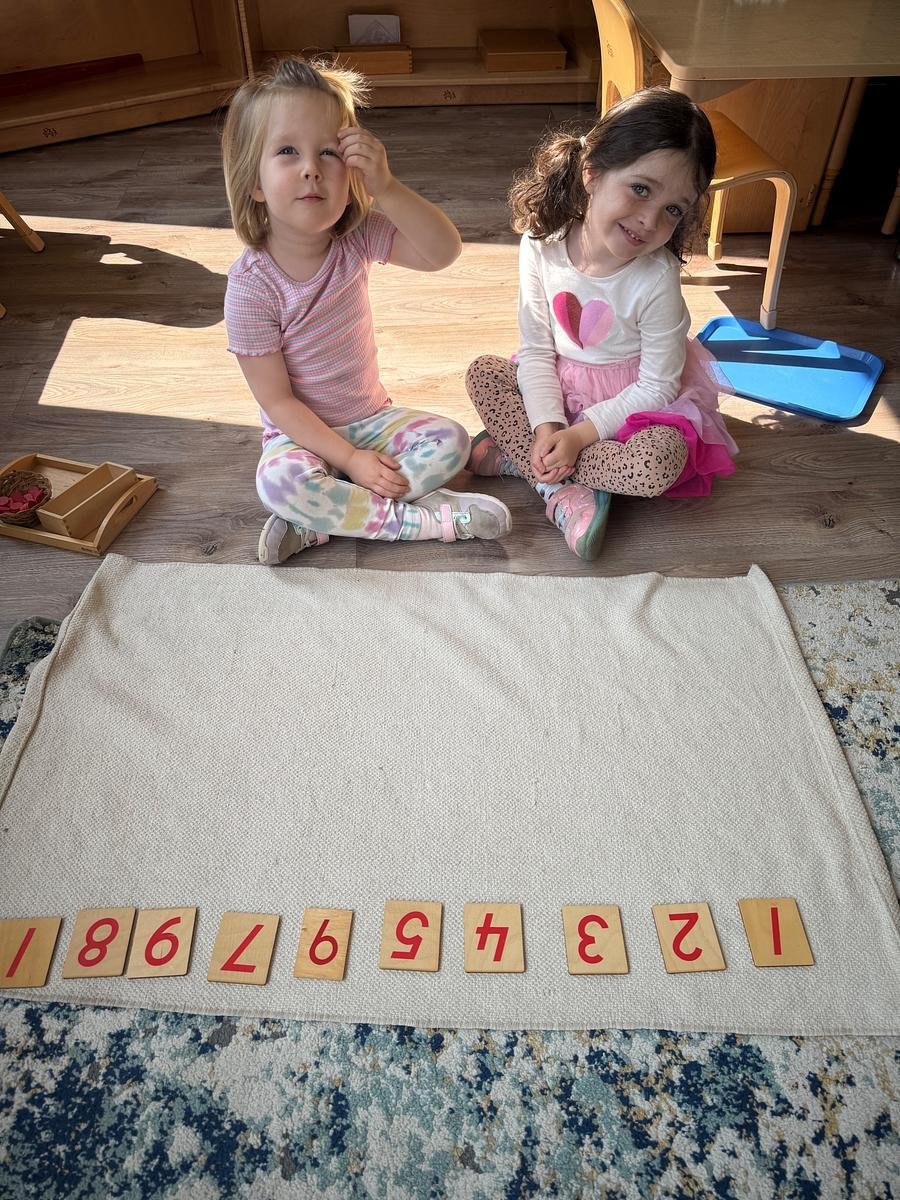
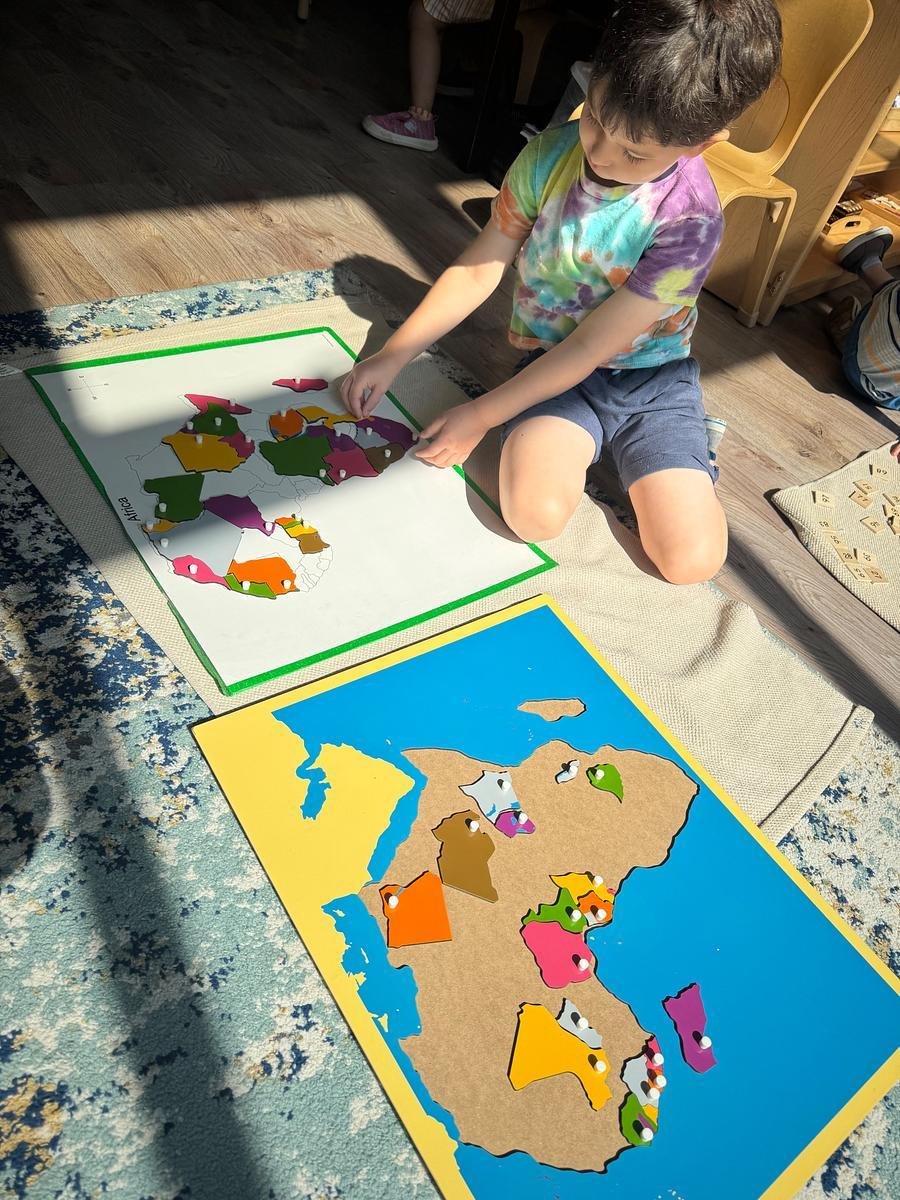
10. Education of the Whole Child
Montessori focuses not just on academics but also on social, emotional, physical, and moral development, preparing children for lifelong learning and responsibility.
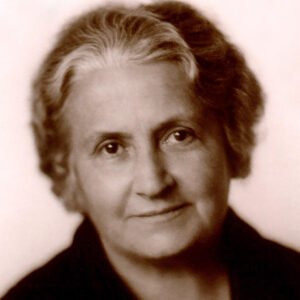
Maria Montessori
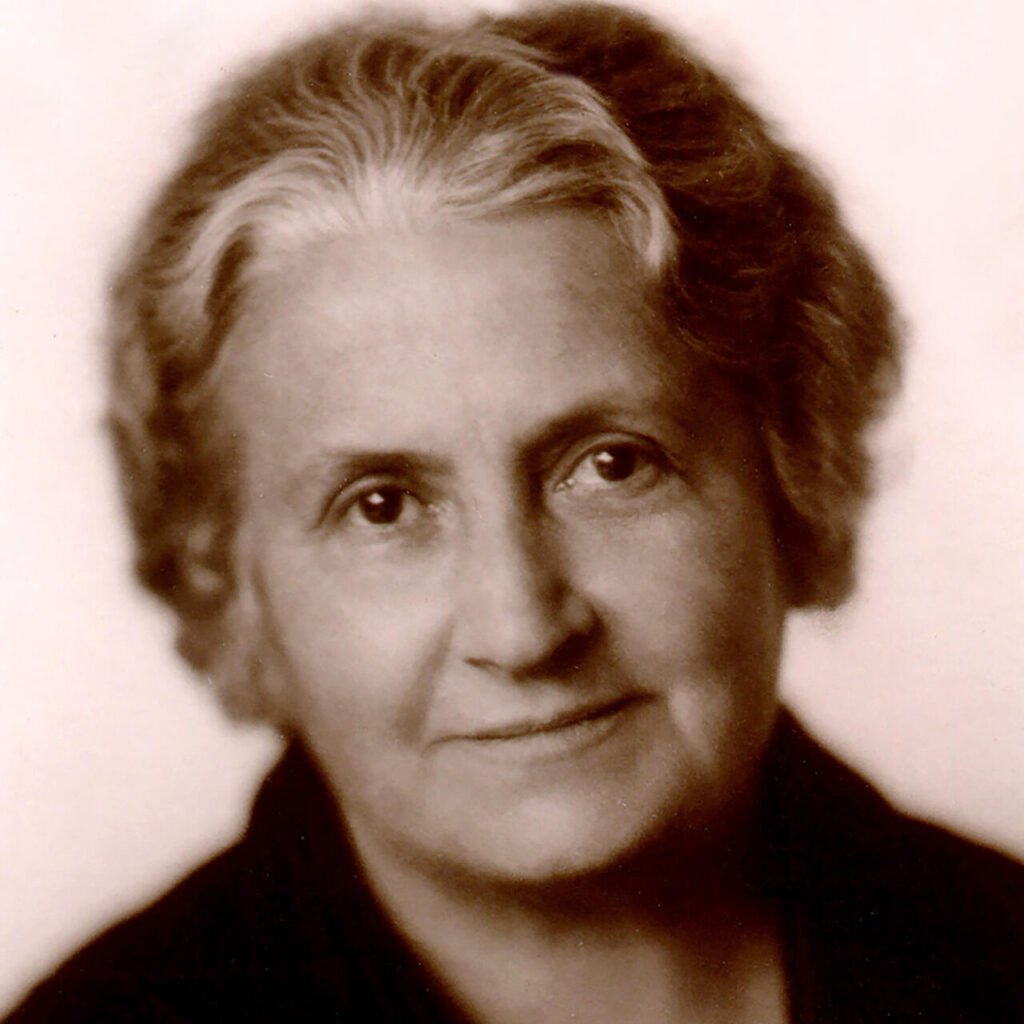
Dr. Maria Montessori, an Italian physician and educator, began by studying how children with disabilities learned. Through careful observation, she developed an approach that helps children of all abilities reach their fullest potential.